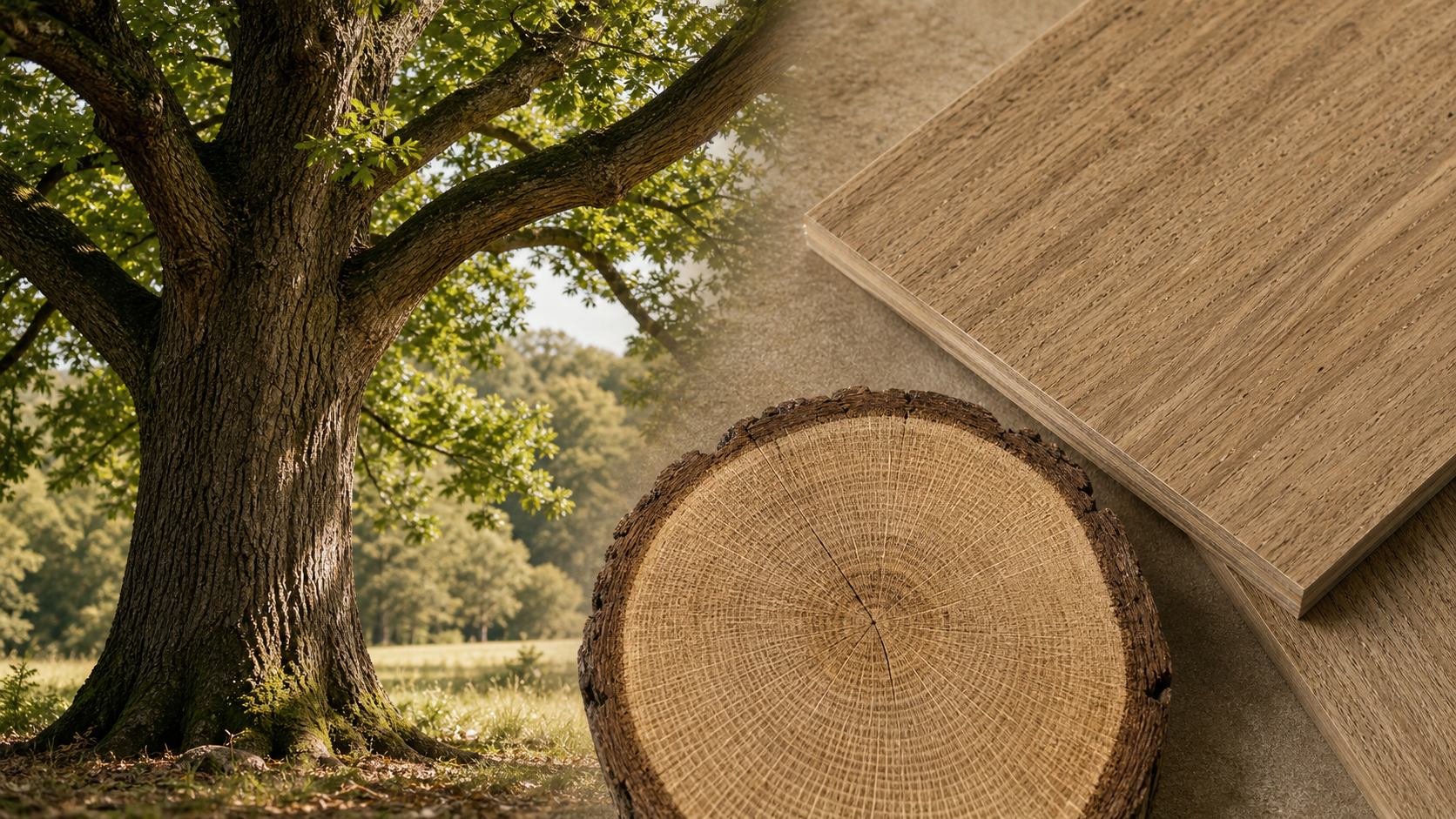
EIR vs. Non-Synchronized Embossing: Understanding Surface Texture in Laminate Flooring
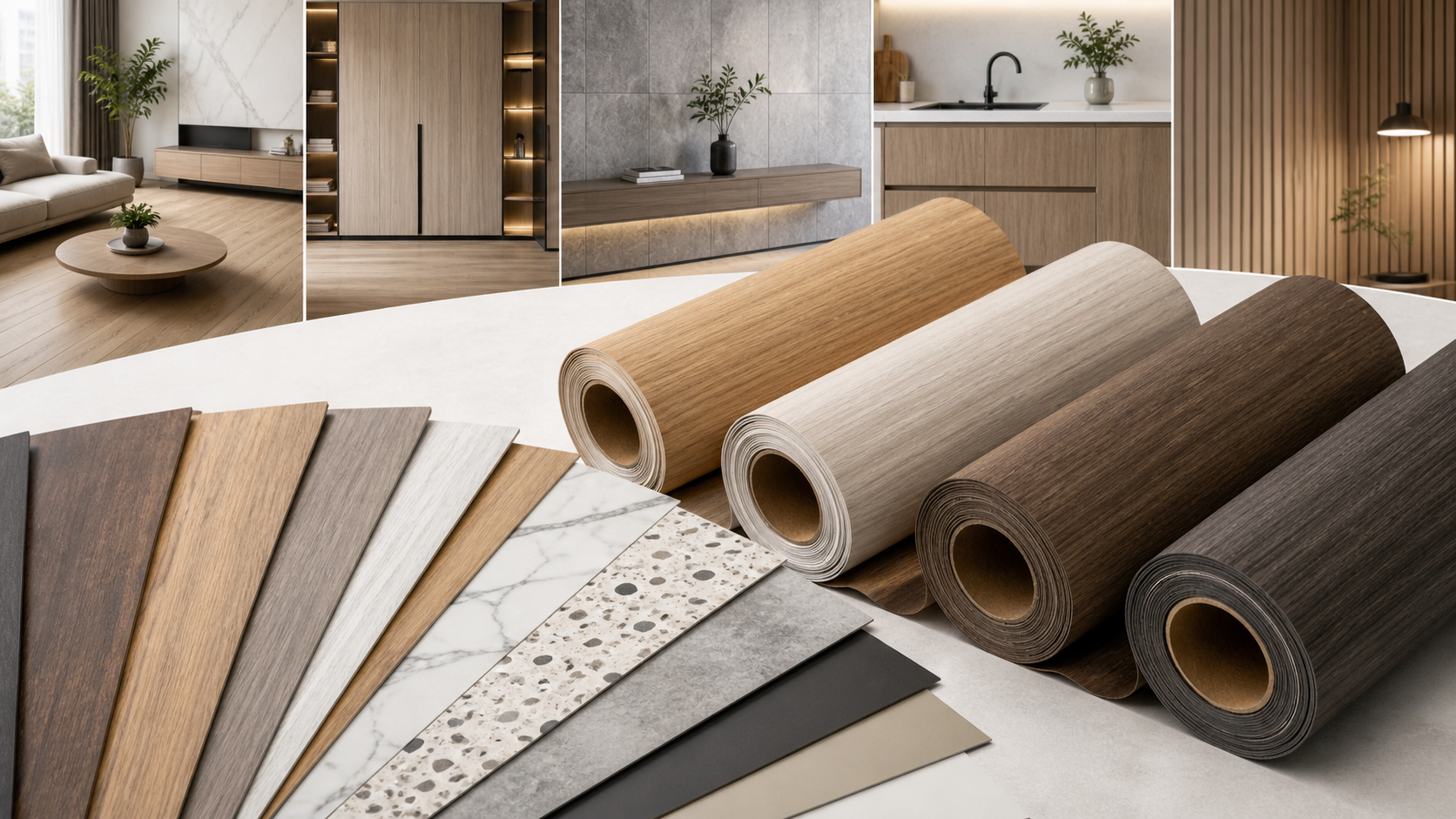
Surface texture plays an important role in how laminate flooring looks and feels. For many buyers, the first impression of a flooring product comes from its color and wood grain design. But when people walk on the floor or touch the surface, texture becomes just as important.
In laminate flooring, two common surface texture methods are EIR synchronized embossing and non-synchronized embossing. Both can improve the appearance and tactile quality of flooring, but they work in different ways and serve different product needs.
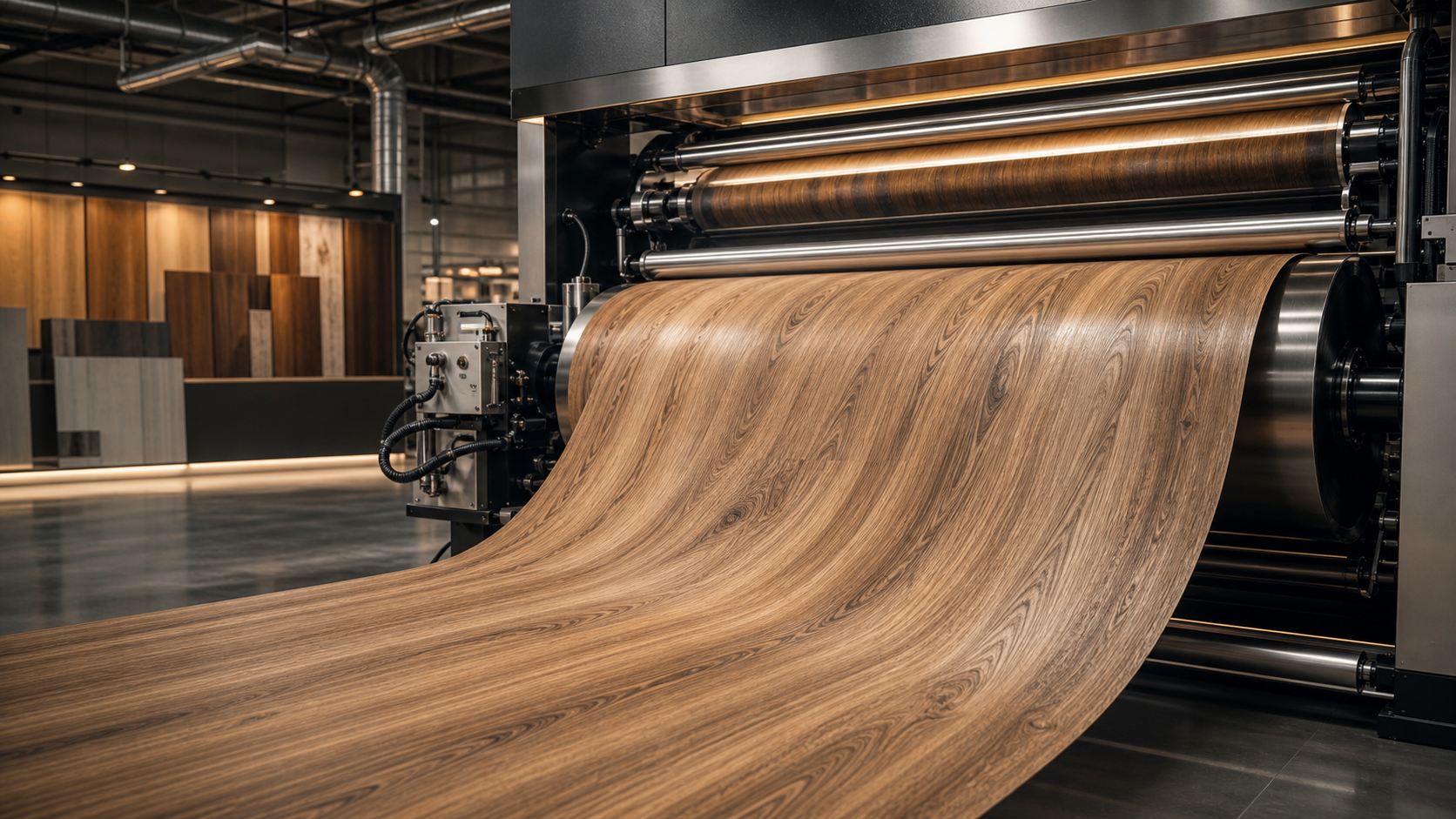
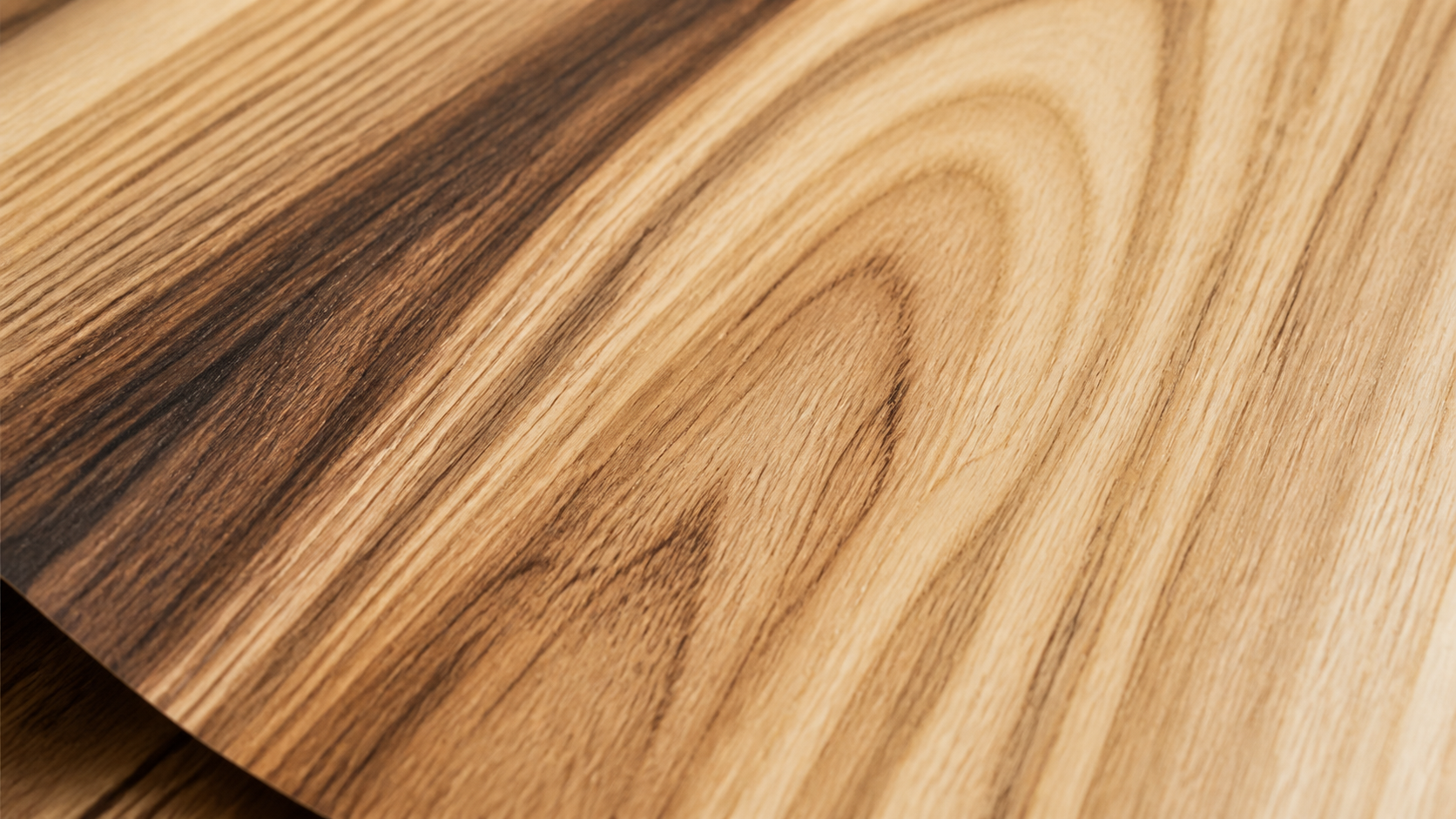
EIR stands for Embossed in Register. It means the surface texture is aligned with the printed wood grain pattern. For example, if the decorative paper shows a knot, cathedral grain or wood pore, the embossing texture follows that same position and direction. This creates a stronger connection between what the eye sees and what the hand feels.
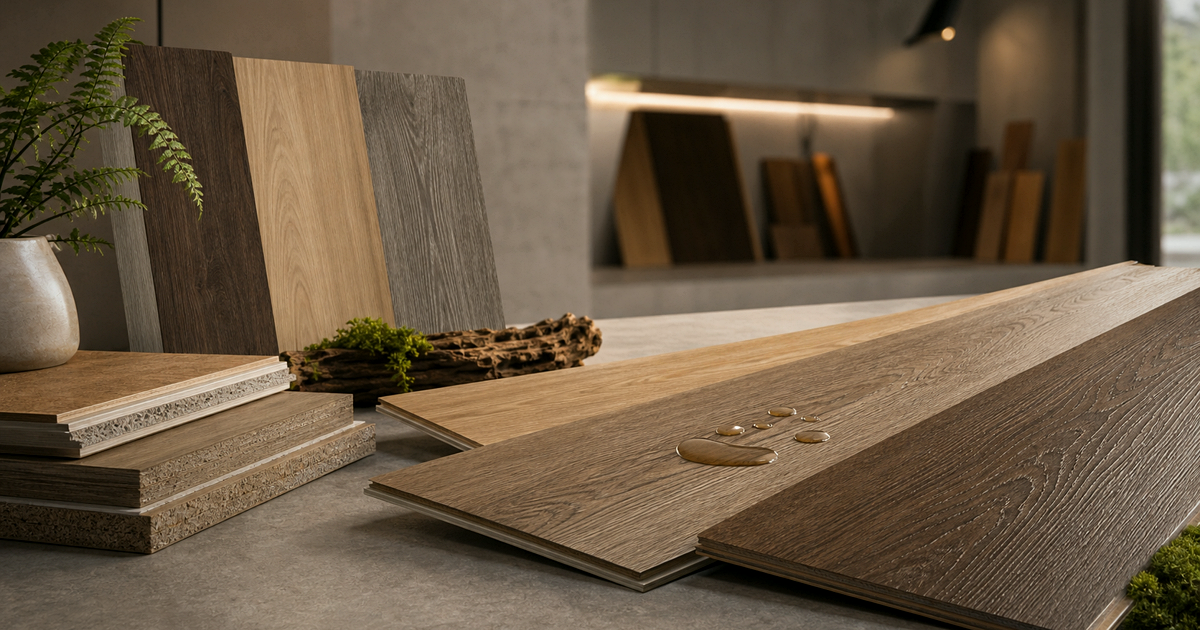
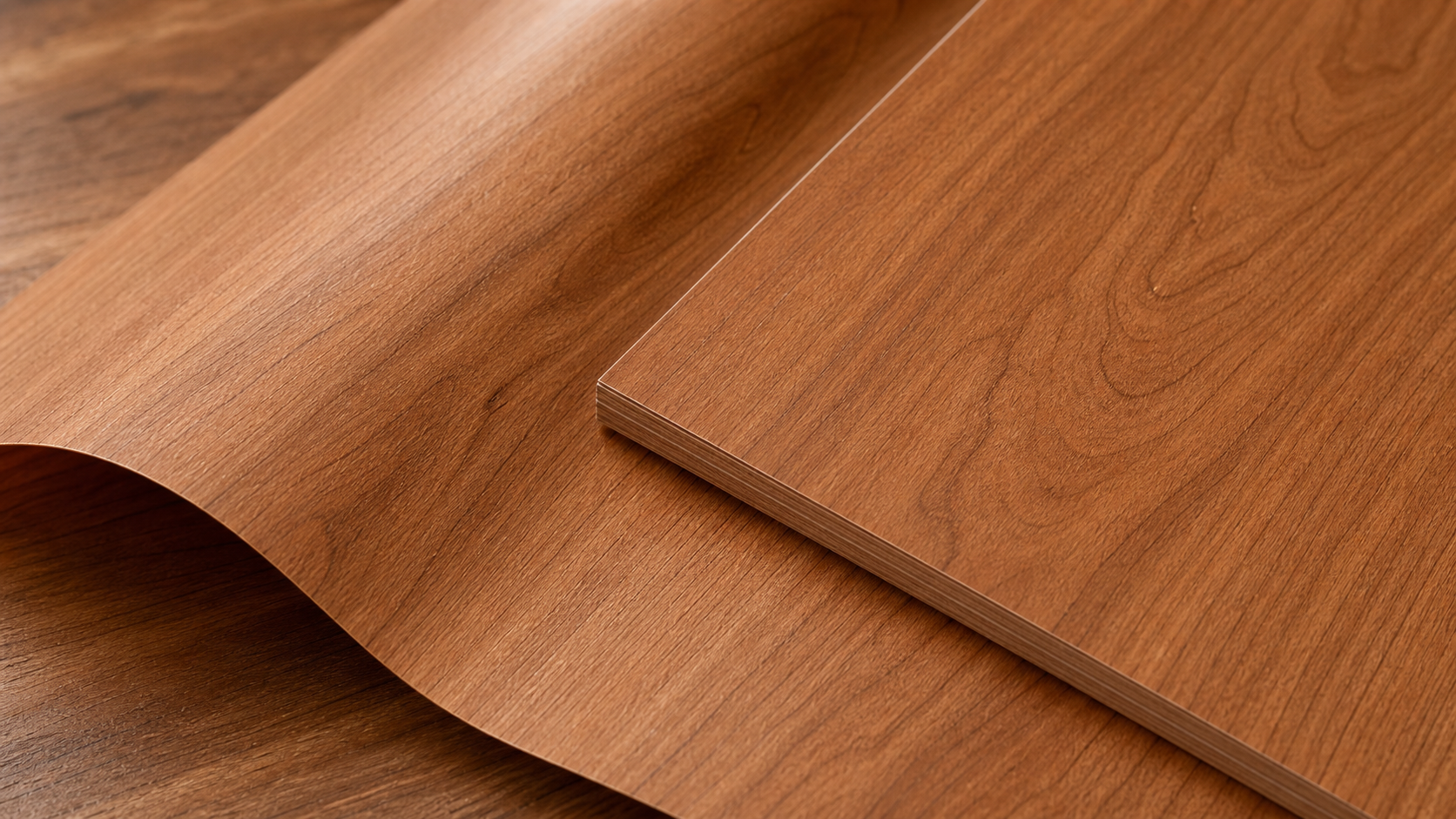
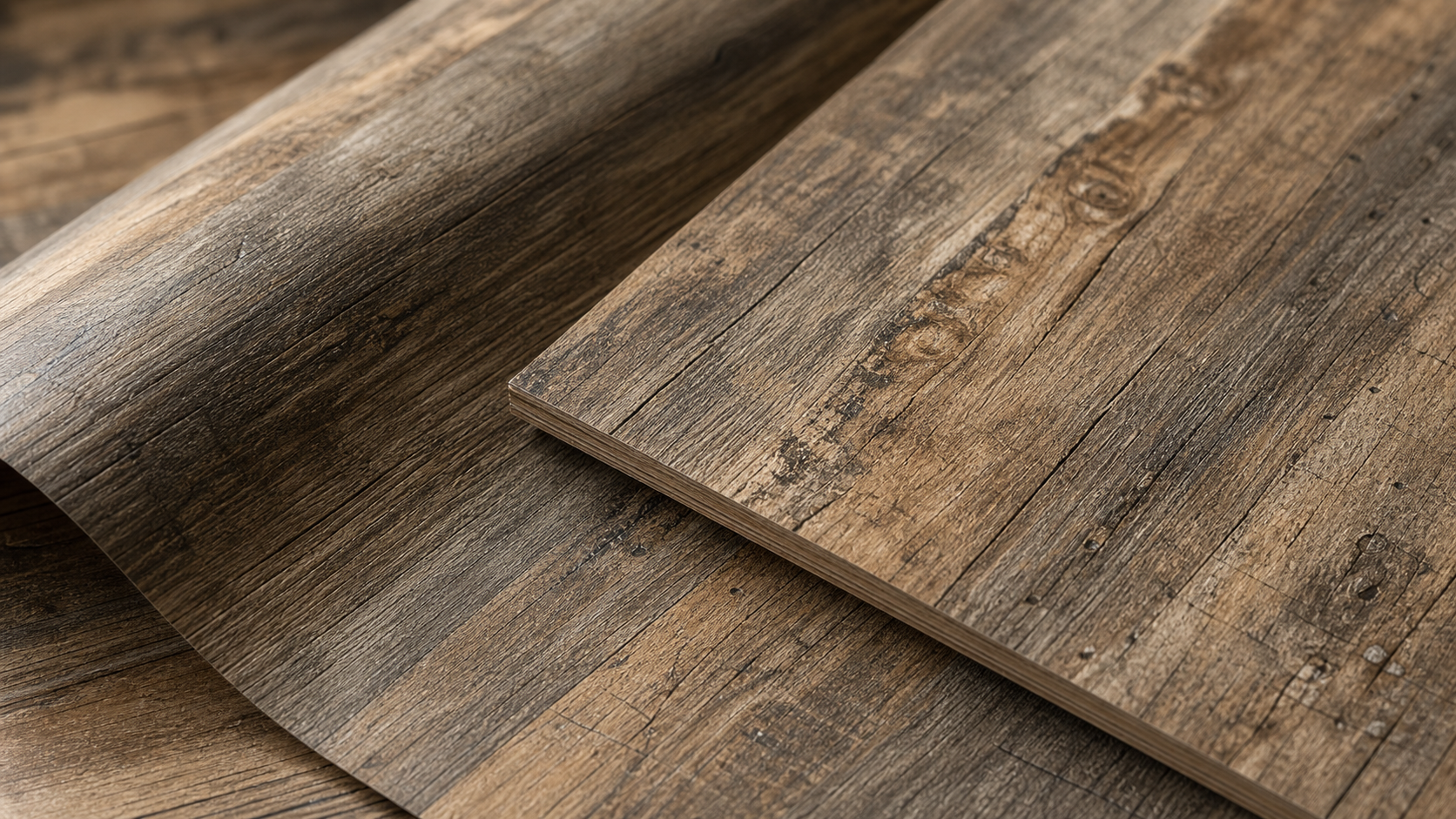
Because of this alignment, EIR laminate flooring can look closer to real wood. The surface can show deeper cathedral grain, more natural wood pores, fine cracks, knots, saw marks and layered tactile details. When light moves across the floor, the texture and printed pattern work together, creating stronger depth and a more premium visual effect.
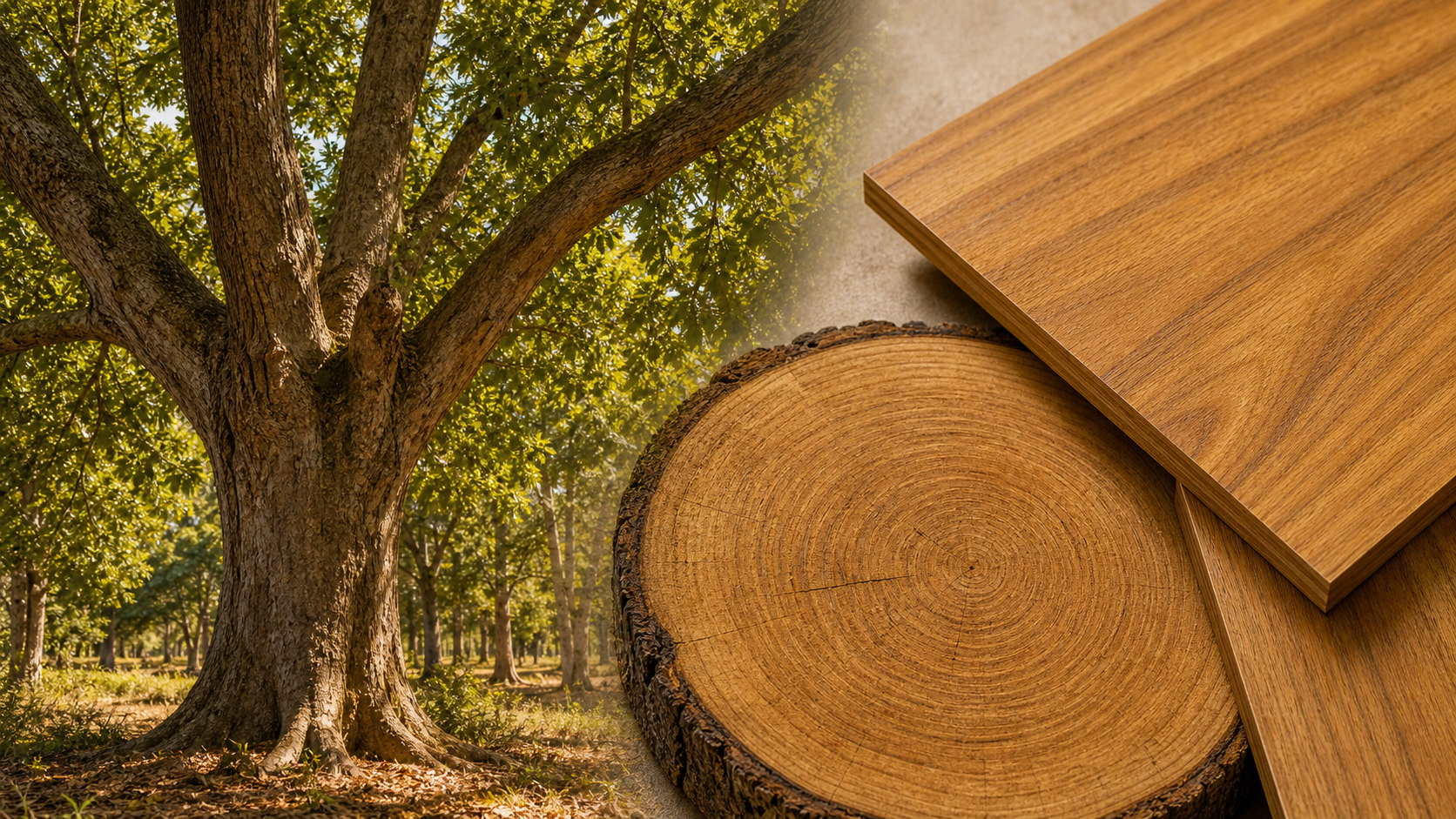
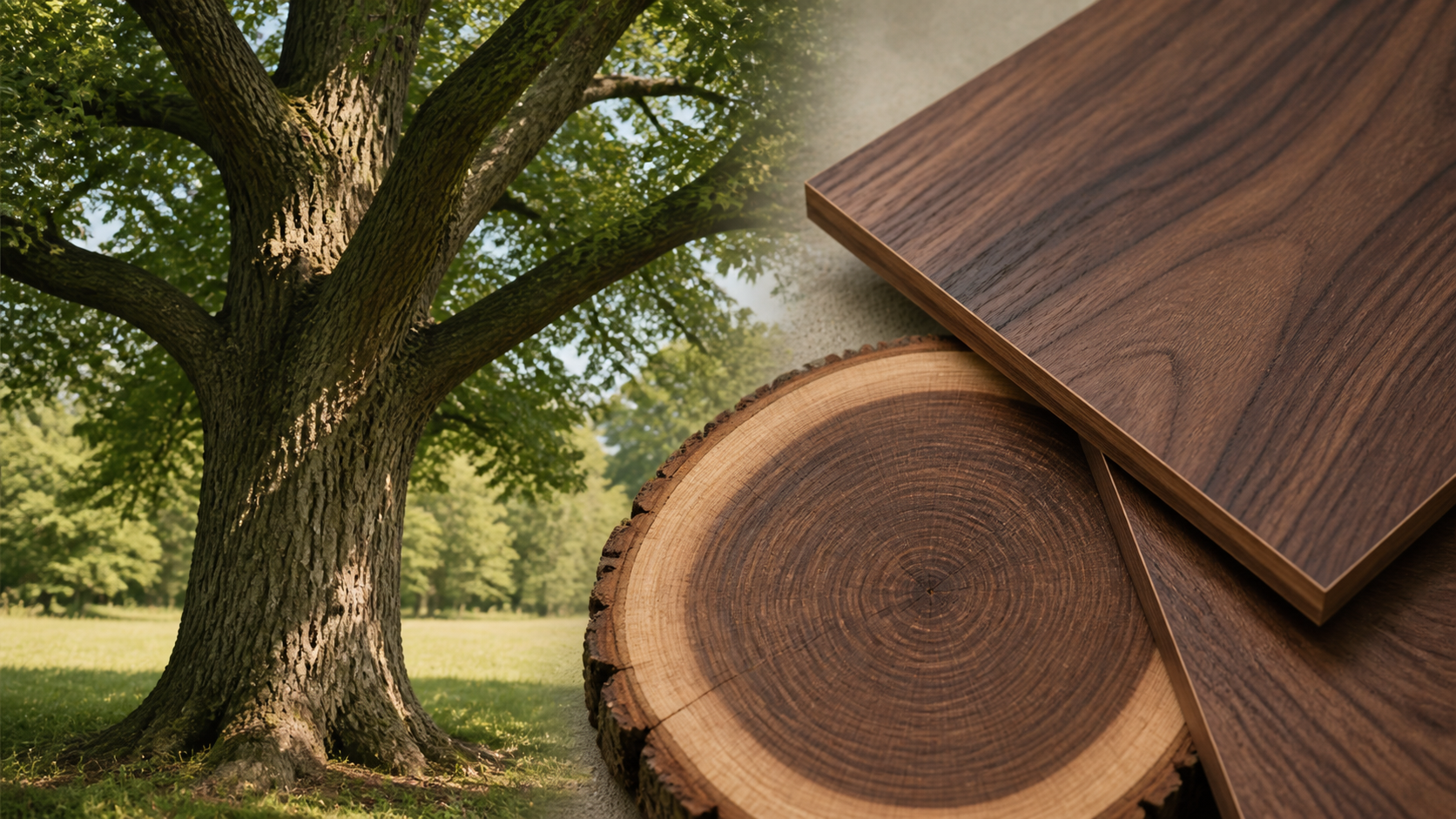
EIR is especially suitable for higher-end laminate flooring products that emphasize natural wood realism. It works well with oak, walnut, elm, teak, antique wood and other designs where grain structure is an important part of the surface expression. For brands and manufacturers aiming to improve product value, EIR can help laminate flooring compete more strongly with engineered wood and other premium surface materials.
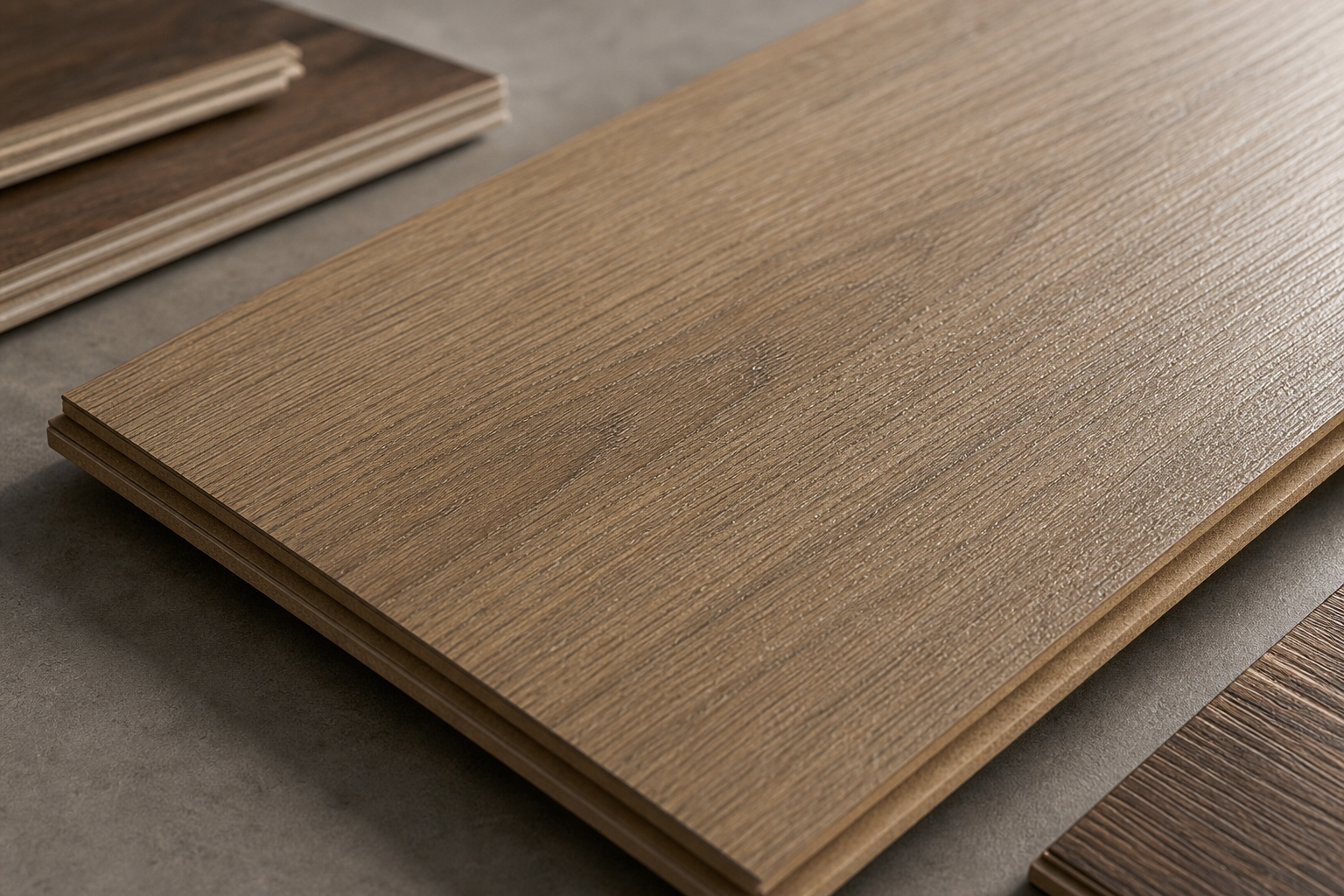
However, EIR also requires higher development coordination. The decorative paper design, printing repeat, color separation and steel plate texture need to be planned together. If the printed pattern and embossing plate do not match properly, the synchronized effect will be weakened. This is why EIR development usually needs closer cooperation between decorative paper suppliers, steel plate makers and flooring manufacturers.
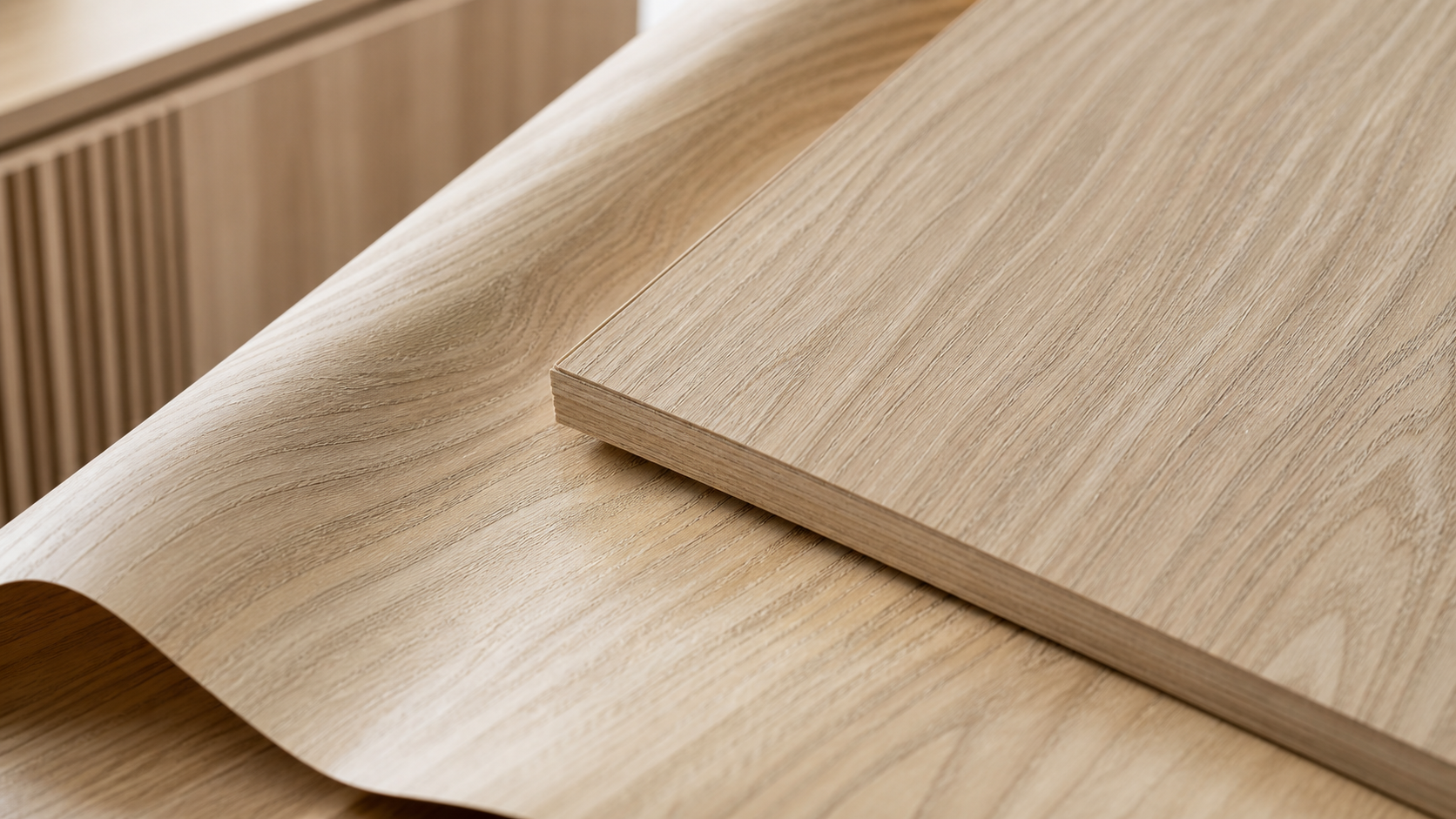
Non-synchronized embossing is different. In this method, the surface texture is not aligned with the printed wood grain pattern. The embossing can still create a wood-like, matte, brushed or natural tactile effect, but it does not follow the exact position of the printed grain.
This does not mean non-synchronized embossing is low quality. In many flooring products, it remains a practical and widely used solution. It can improve surface touch, reduce flatness, add light reflection control and make the flooring feel more natural than a completely smooth surface. It is also more flexible in production because one embossing texture can often be used across different wood designs.
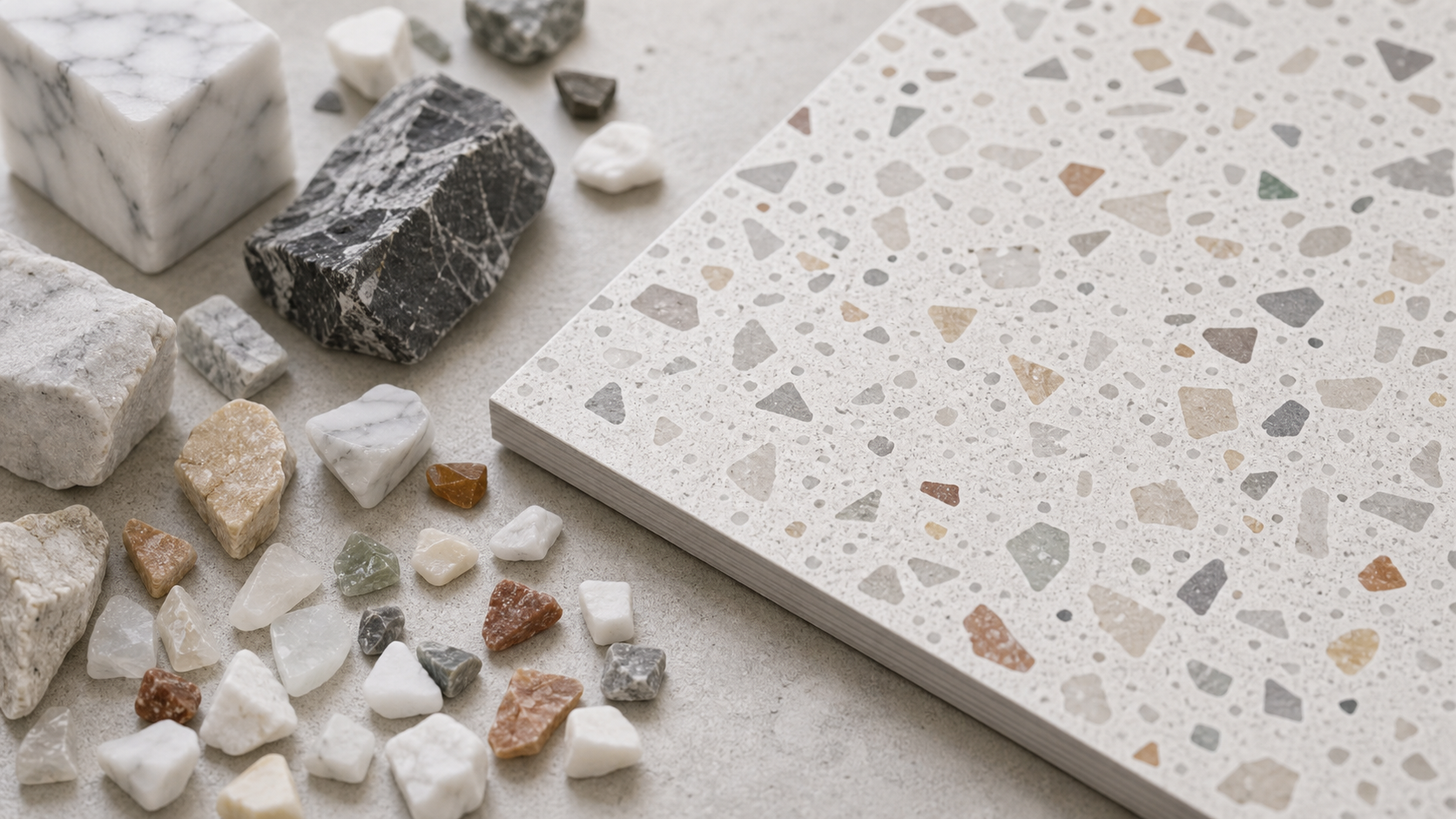
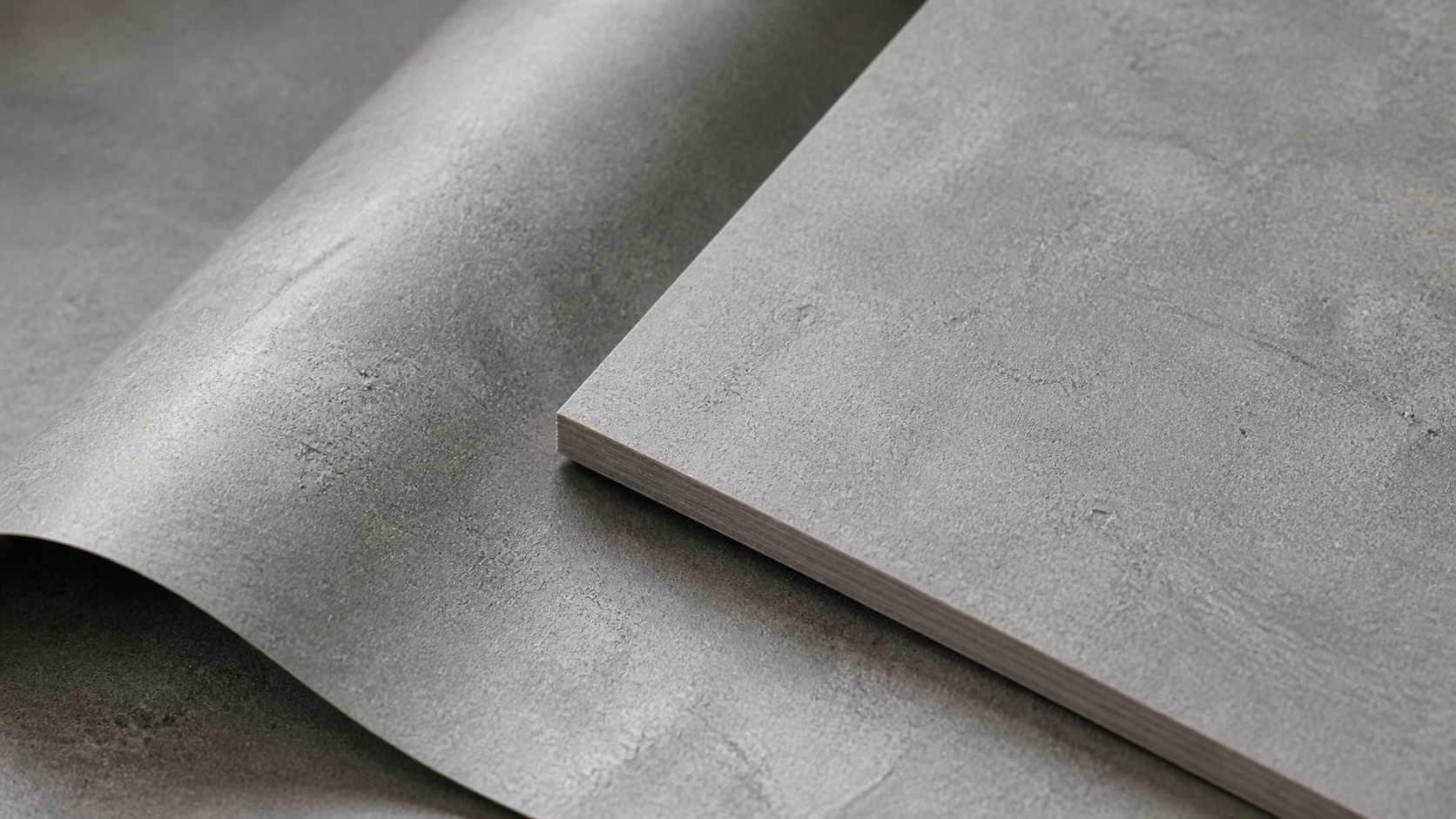
Non-synchronized embossing is suitable for standard laminate flooring, cost-effective collections and products where production flexibility is important. It can also work well for simple wood grains, abstract textures, stone-inspired surfaces or designs that do not require exact texture-to-pattern matching.
The main difference between EIR and non-synchronized embossing is the relationship between the printed design and the surface texture. EIR focuses on accuracy and realism. Non-synchronized embossing focuses on general texture, flexibility and efficiency.
For flooring manufacturers, the choice depends on product positioning. If the goal is to create a high-realism laminate floor with stronger natural wood feeling, EIR is often the better choice. If the goal is stable production, broader design compatibility and stronger cost control, non-synchronized embossing may be more suitable.
As laminate flooring continues to upgrade, both methods will remain important. EIR helps push the category toward higher design value and stronger real wood realism, while non-synchronized embossing continues to support efficient and versatile product development.
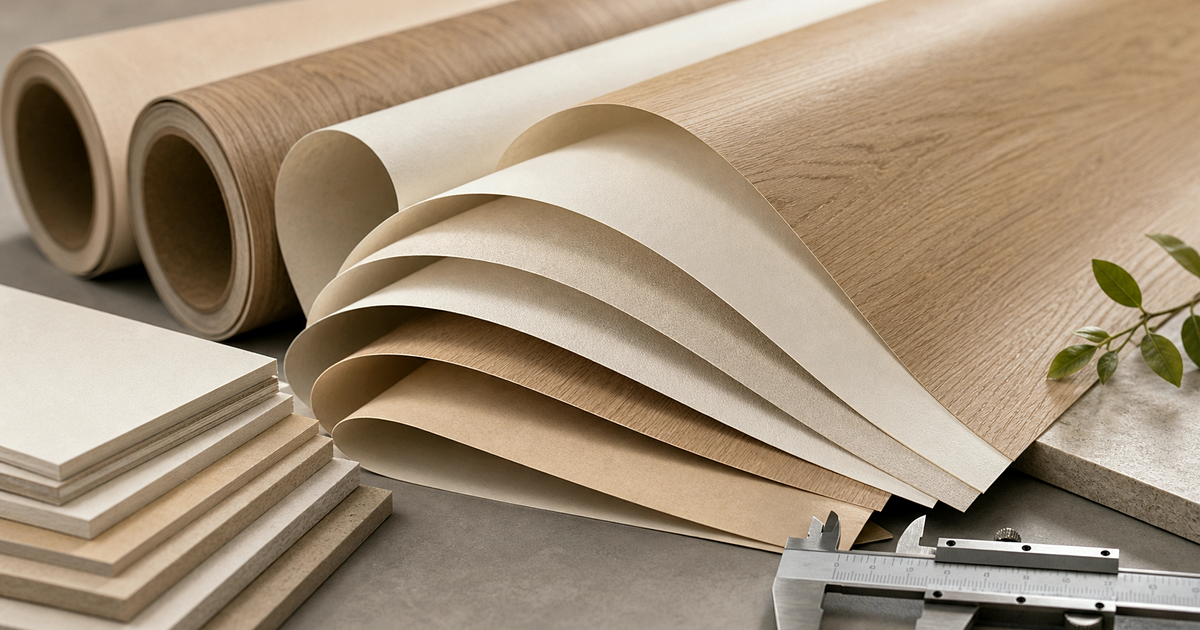
For decorative paper development, this also means surface design can no longer be considered alone. Printed wood grain, color tone, repeat planning and embossing logic need to work together. Whether a product uses EIR or non-synchronized embossing, successful laminate flooring depends on the balance between visual design, surface texture and production stability.
As laminate flooring continues to move toward stronger real wood realism, EIR development is becoming a more collaborative process. At Xiejin Decoration, we place increasing emphasis on working closely with customers during the early design stage, so that decorative paper patterns, grain direction, color layers and synchronized embossing logic can be considered together. Through this joint development approach, we aim to help customers create laminate flooring surfaces with better texture alignment, richer wood details and a more natural real wood effect.