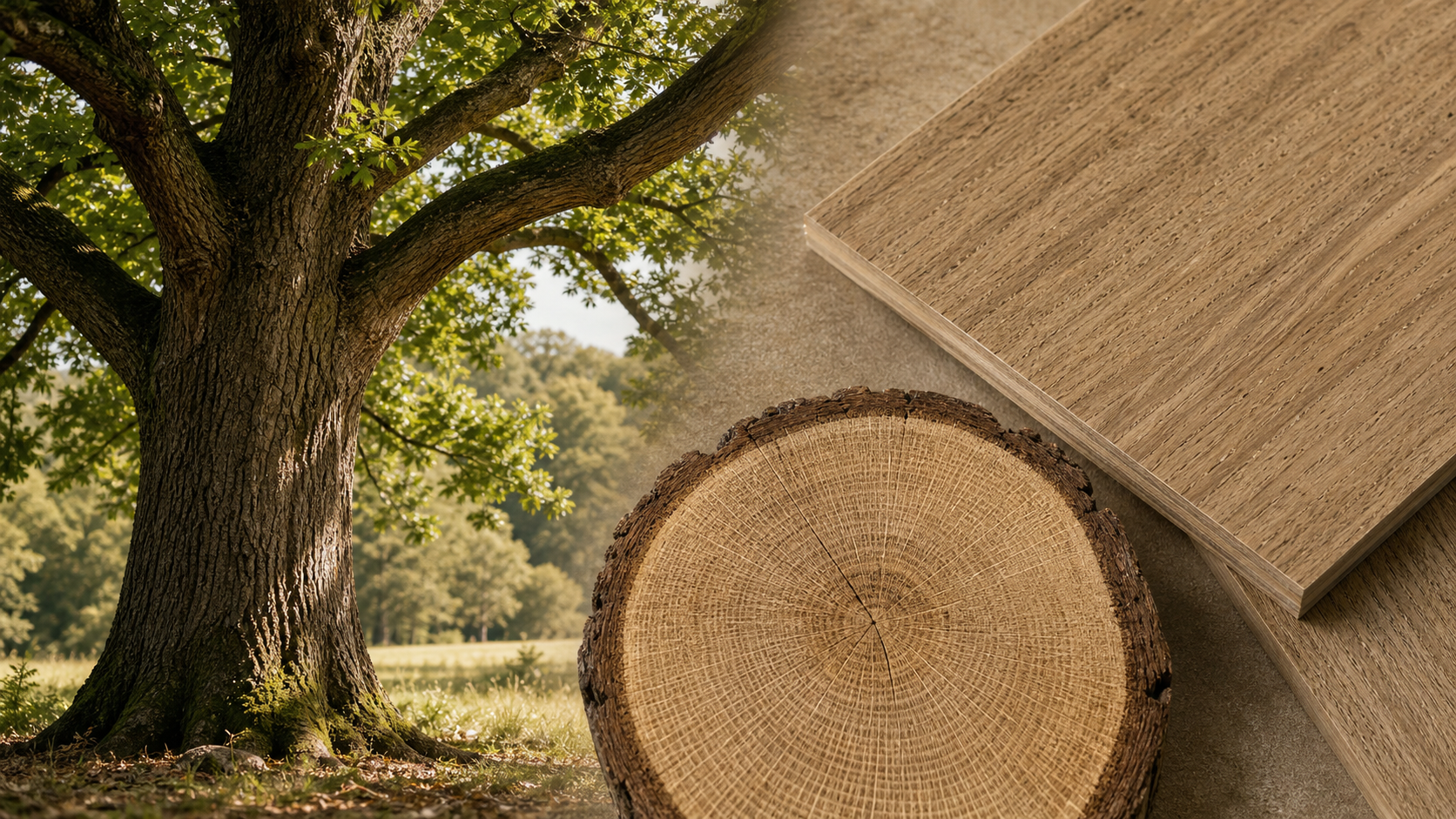
Why Large-Repeat Printing Matters for Decorative Paper Design?
In decorative paper manufacturing, pattern repeat is one of the key factors that affects the final visual quality of flooring, furniture panels, wall panels and other interior decorative surfaces. As the market moves toward more natural, continuous and high-end surface designs, large-repeat printing has become an important technical direction.
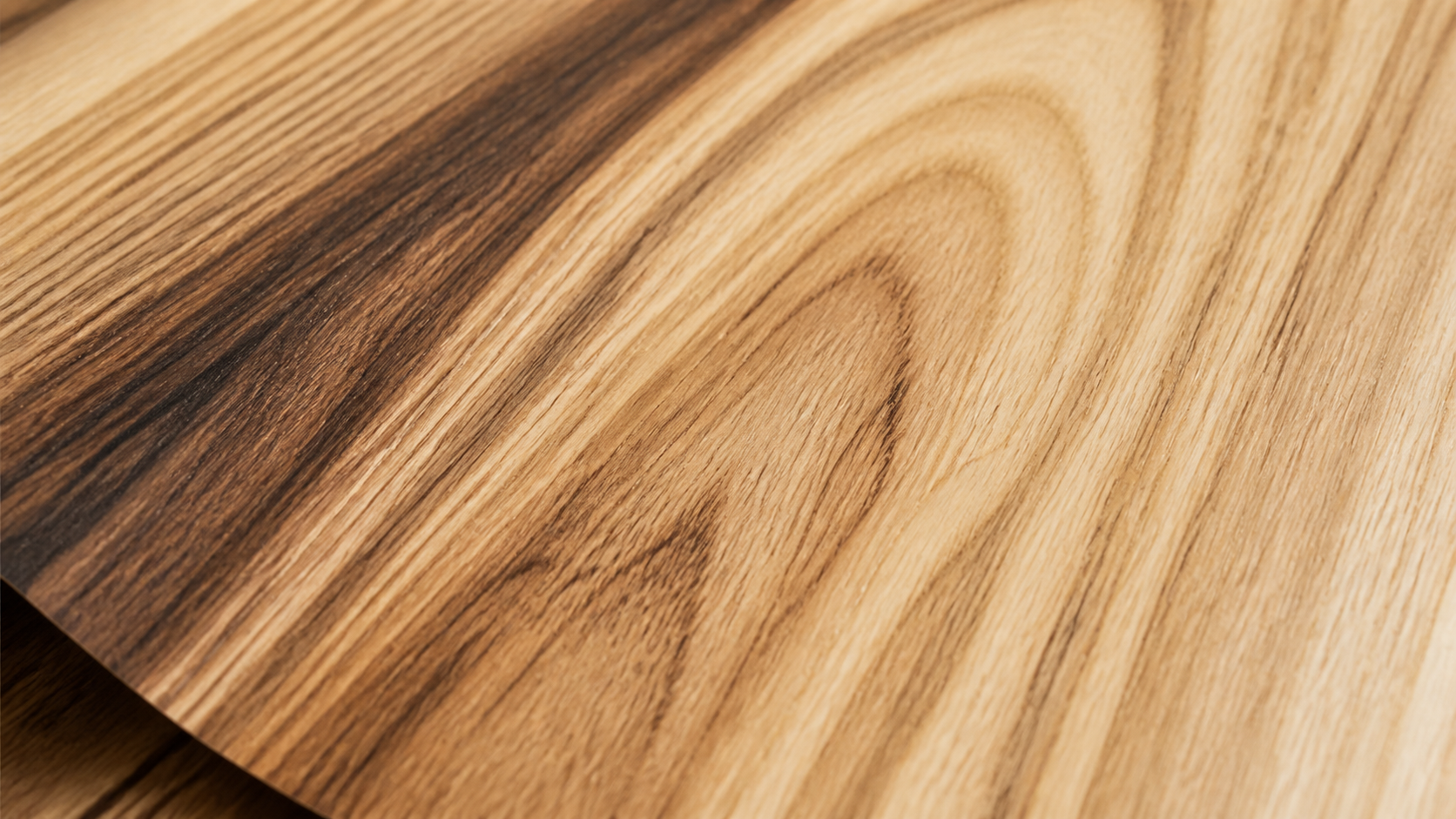
A printing repeat refers to the length of a pattern before it begins to repeat again. Traditional shorter repeats can meet many standard production needs, especially for simple wood grains, small-scale textures or regular surface patterns. However, when a design requires long natural grain movement, large cathedral structures, continuous wood texture or expressive stone-like patterns, a short repeat may make the finished surface look repetitive or mechanical.
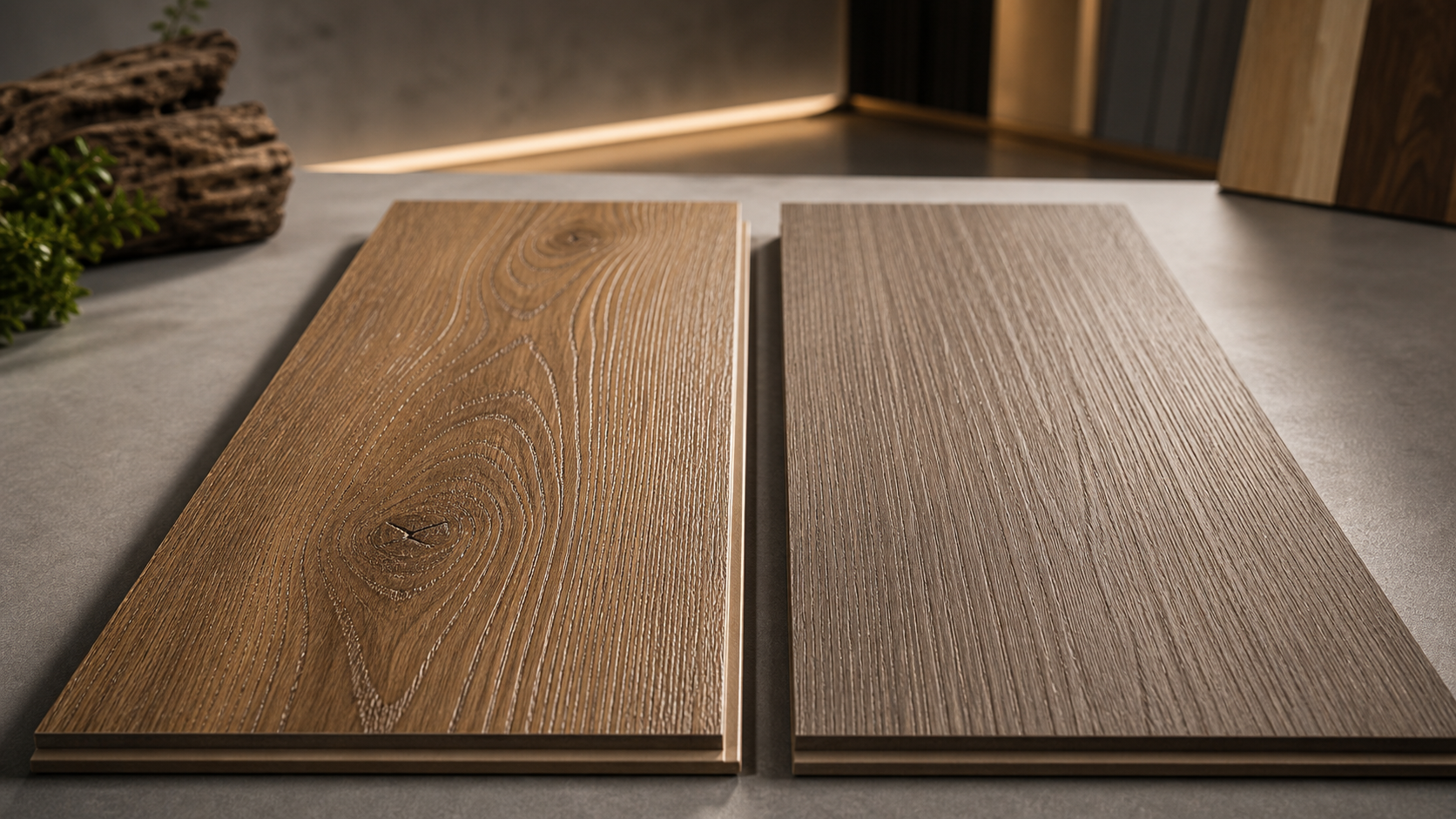
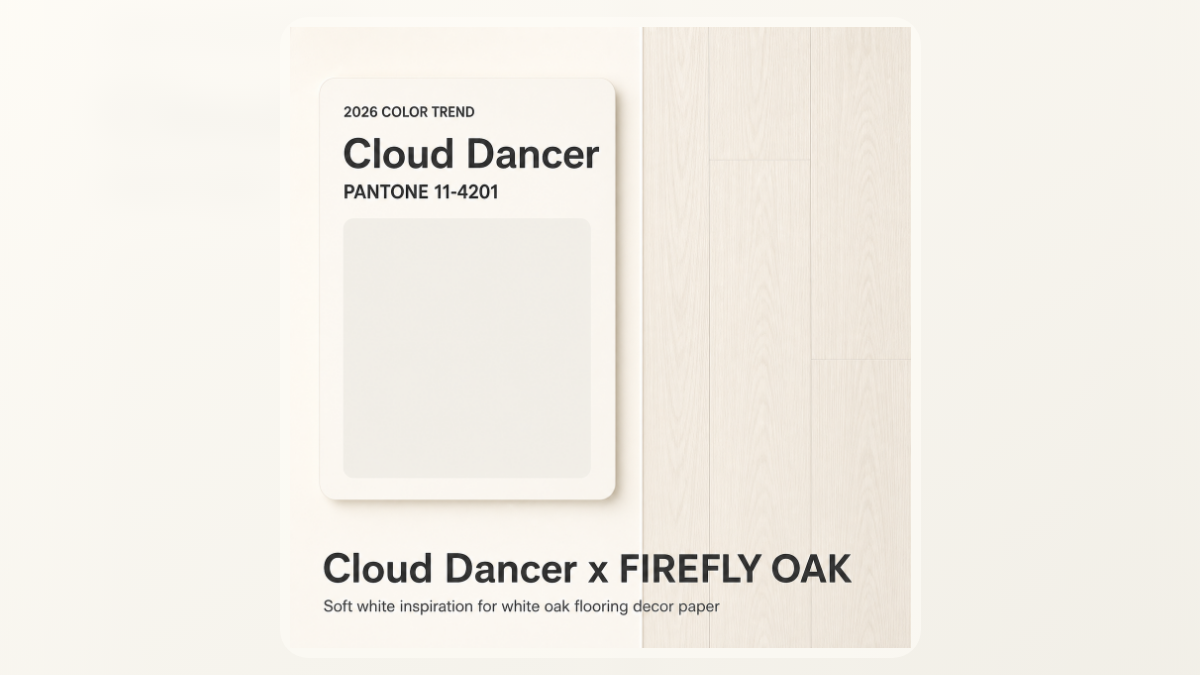
2.4m and 3m large-repeat printing gives decorative paper more space for natural pattern development, and it is also closely related to common flooring board lengths. In many flooring products, 1.2m and 1.5m are common board sizes. A 2.4m repeat can correspond to two 1.2m boards, while a 3m repeat can correspond to two 1.5m boards. This allows the design to be planned across two full board lengths, giving wood grain patterns more room for long straight grain, crown grain, mountain grain, ray fleck, knots, color bands and gradual tonal changes.
For flooring applications, this longer design space can help reduce visible pattern repetition after cutting and installation. When the same grain structure appears too frequently, the floor may look artificial, especially in larger rooms or open spaces. With a 2.4m or 3m repeat, the pattern can show longer movement and more natural variation, helping the installed floor appear less mechanical and closer to the rhythm of real wood.
Large-repeat printing can also improve plank-to-plank visual coordination. In shorter-repeat designs, cutting and matching may sometimes make adjacent boards show sudden changes in color tone, grain direction or texture density. This is especially noticeable when the design contains strong light-dark contrast or large grain structures. A longer repeat gives the design more space for gradual color transitions and better grain planning, helping different boards look more coordinated after cutting, matching and installation.
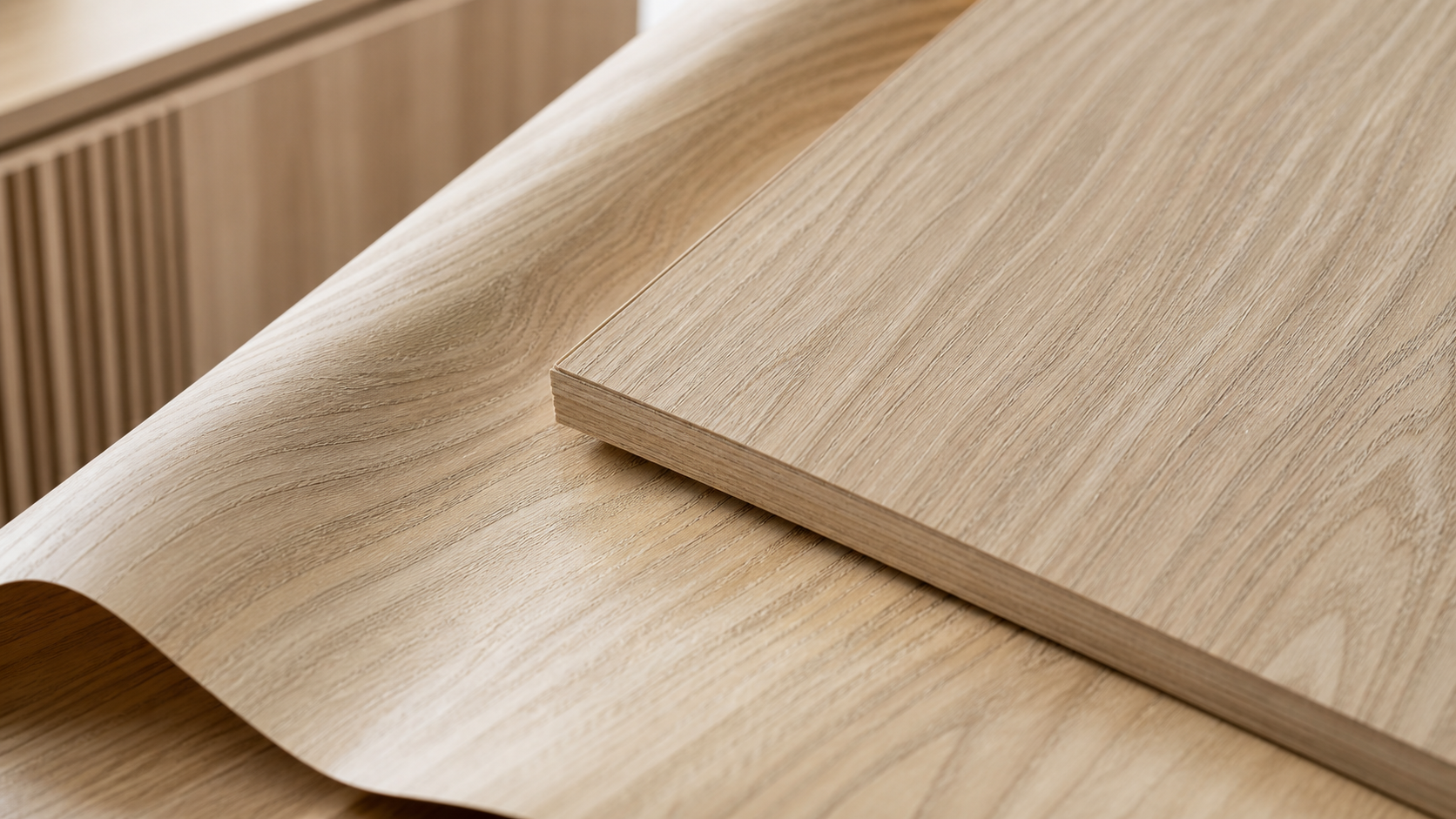
For furniture panels and wall panels, large-repeat printing supports a more complete surface expression. Cabinet doors, wardrobe panels, decorative boards and wall surfaces often have larger visible areas than small samples. If the repeat is too short, the same grain or texture may appear too frequently across the panel surface. A longer repeat allows the design to show richer movement, stronger depth and better visual continuity across larger decorative surfaces.
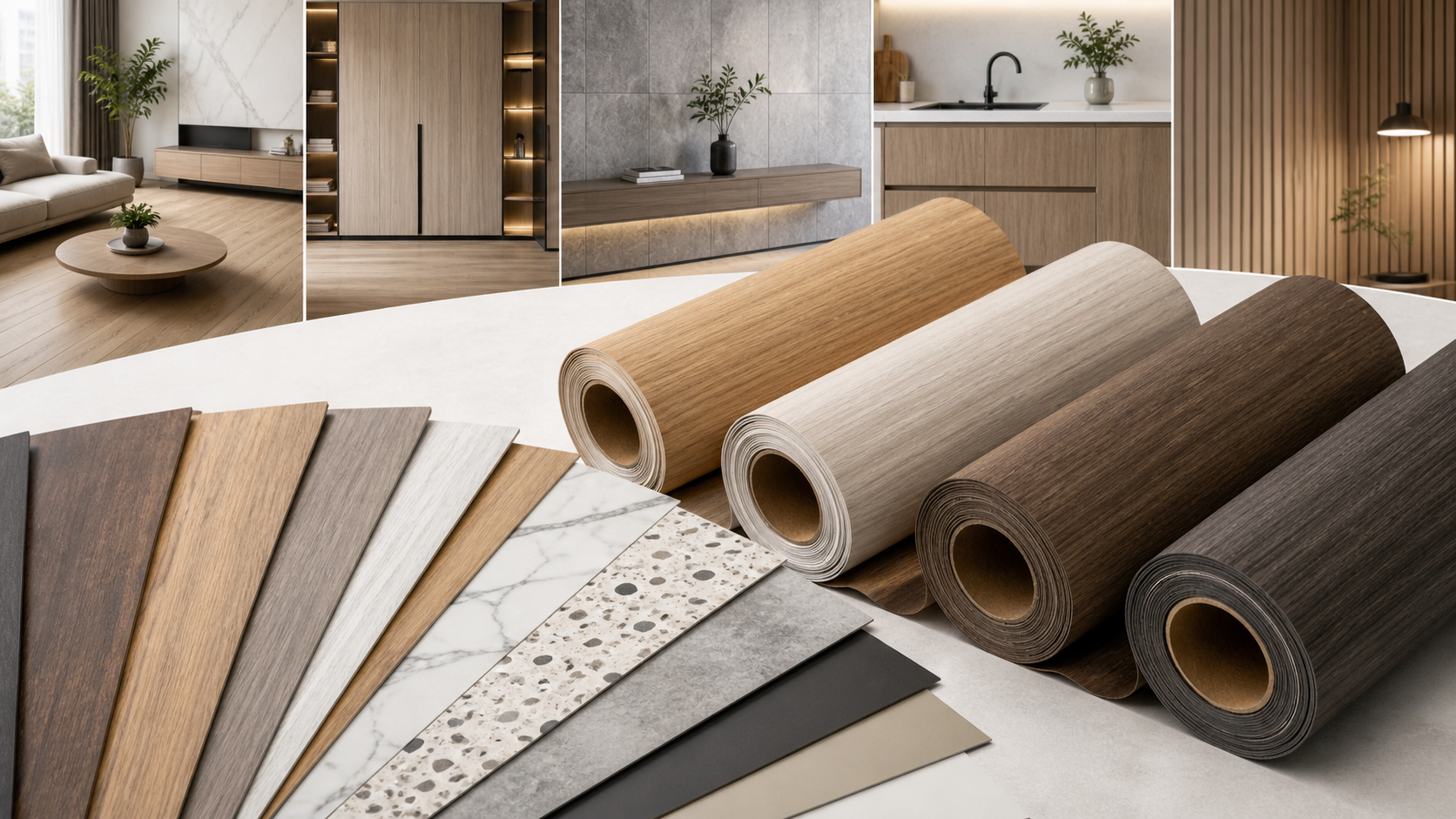
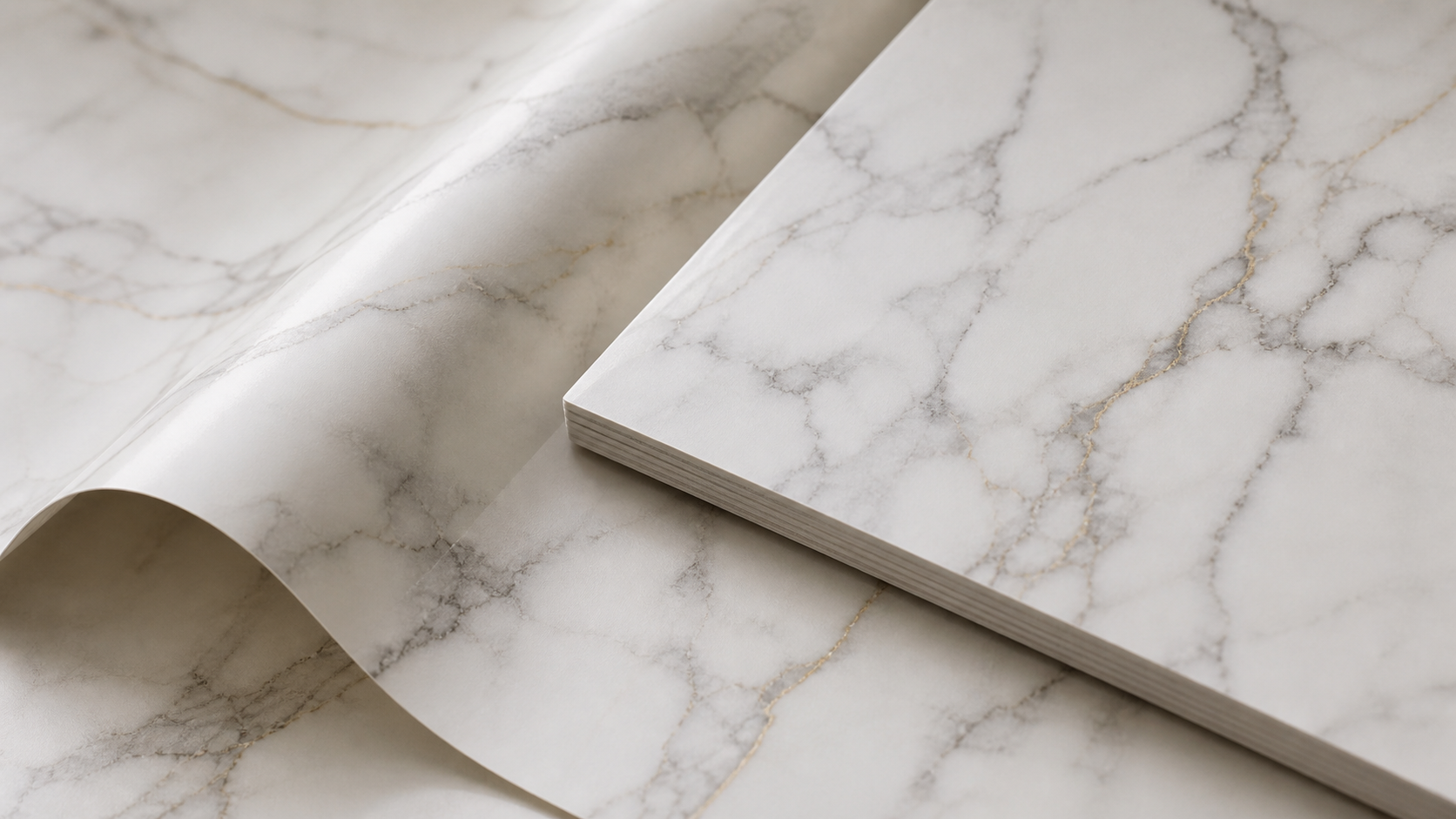
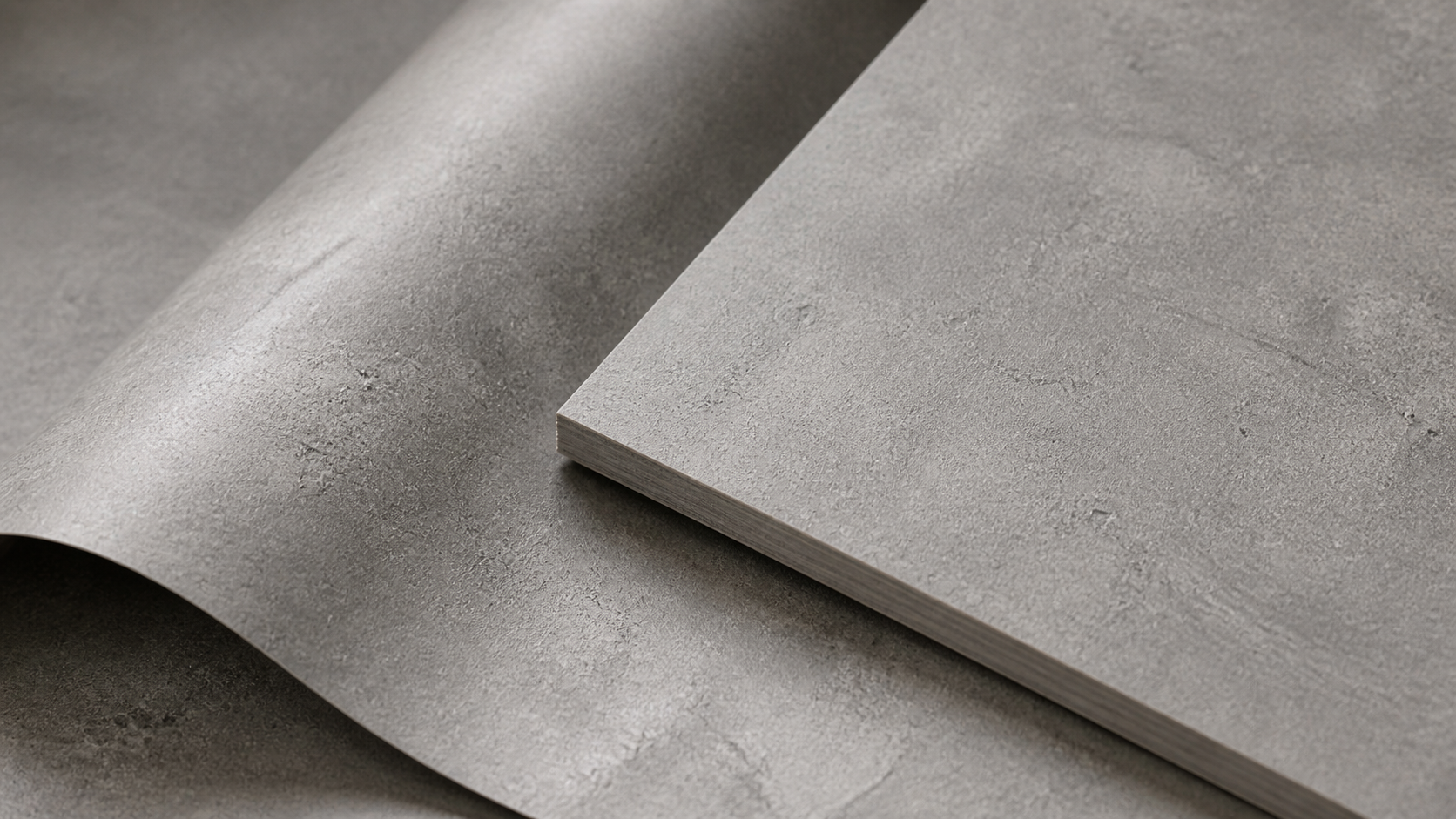
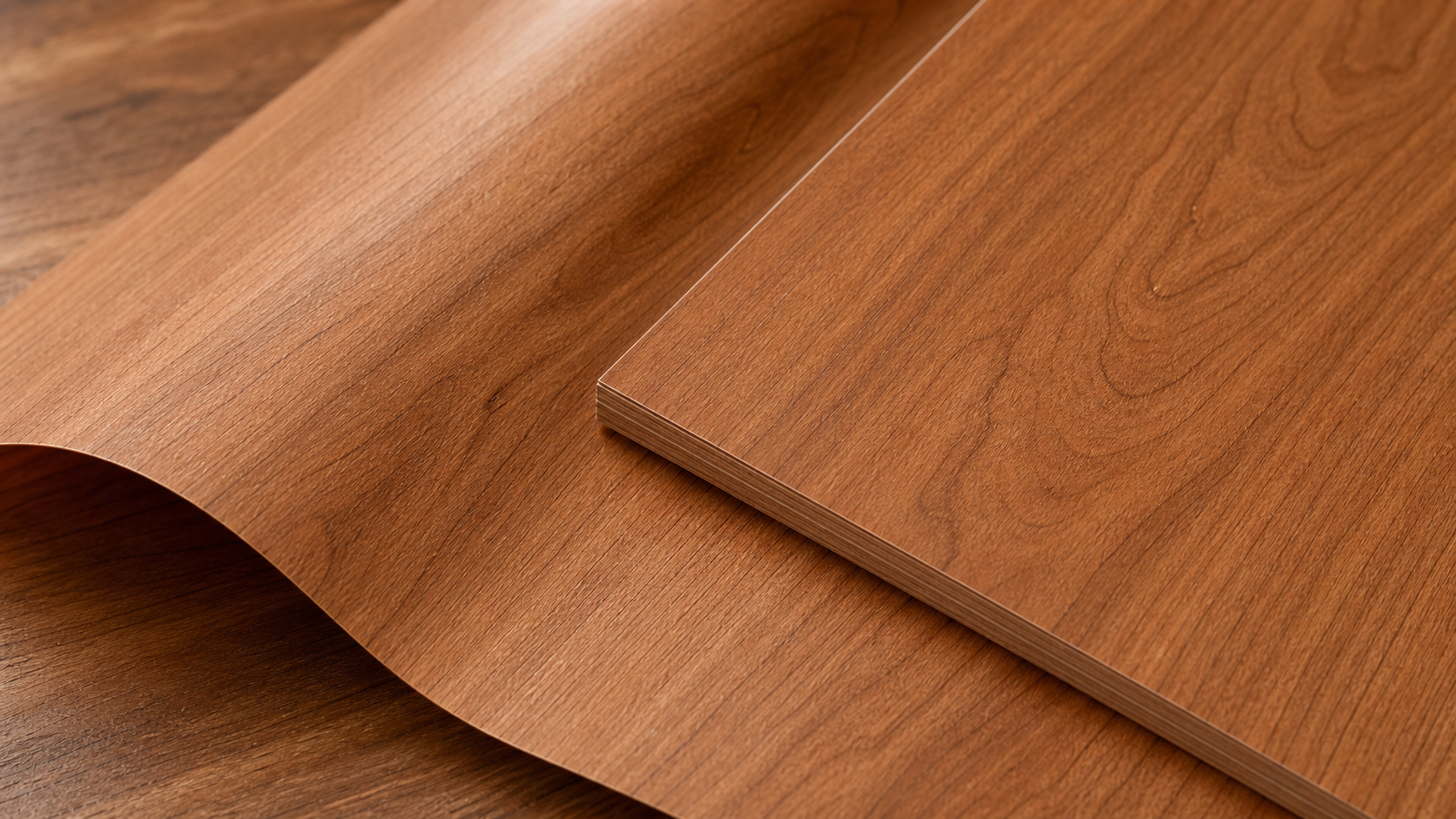
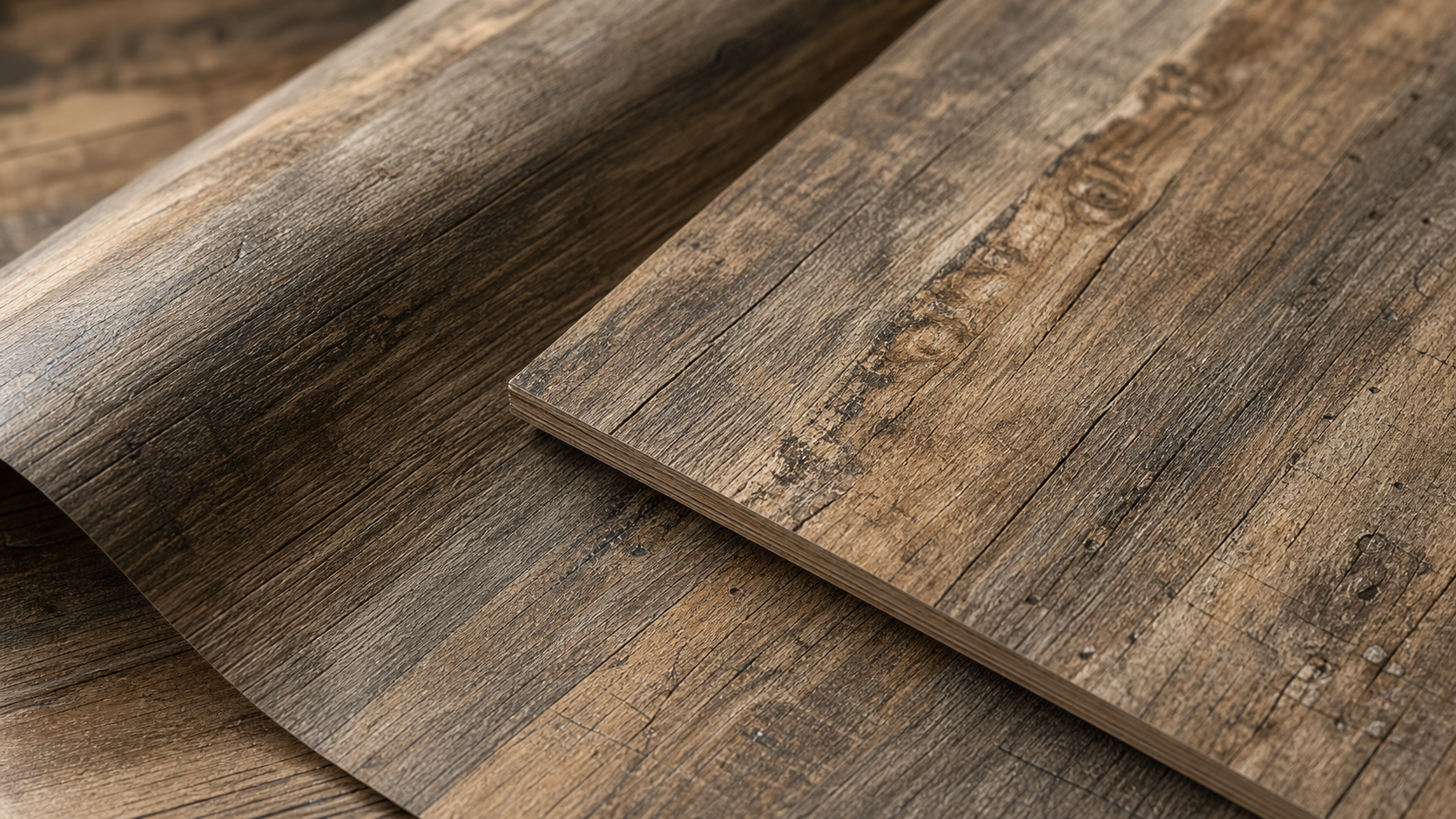
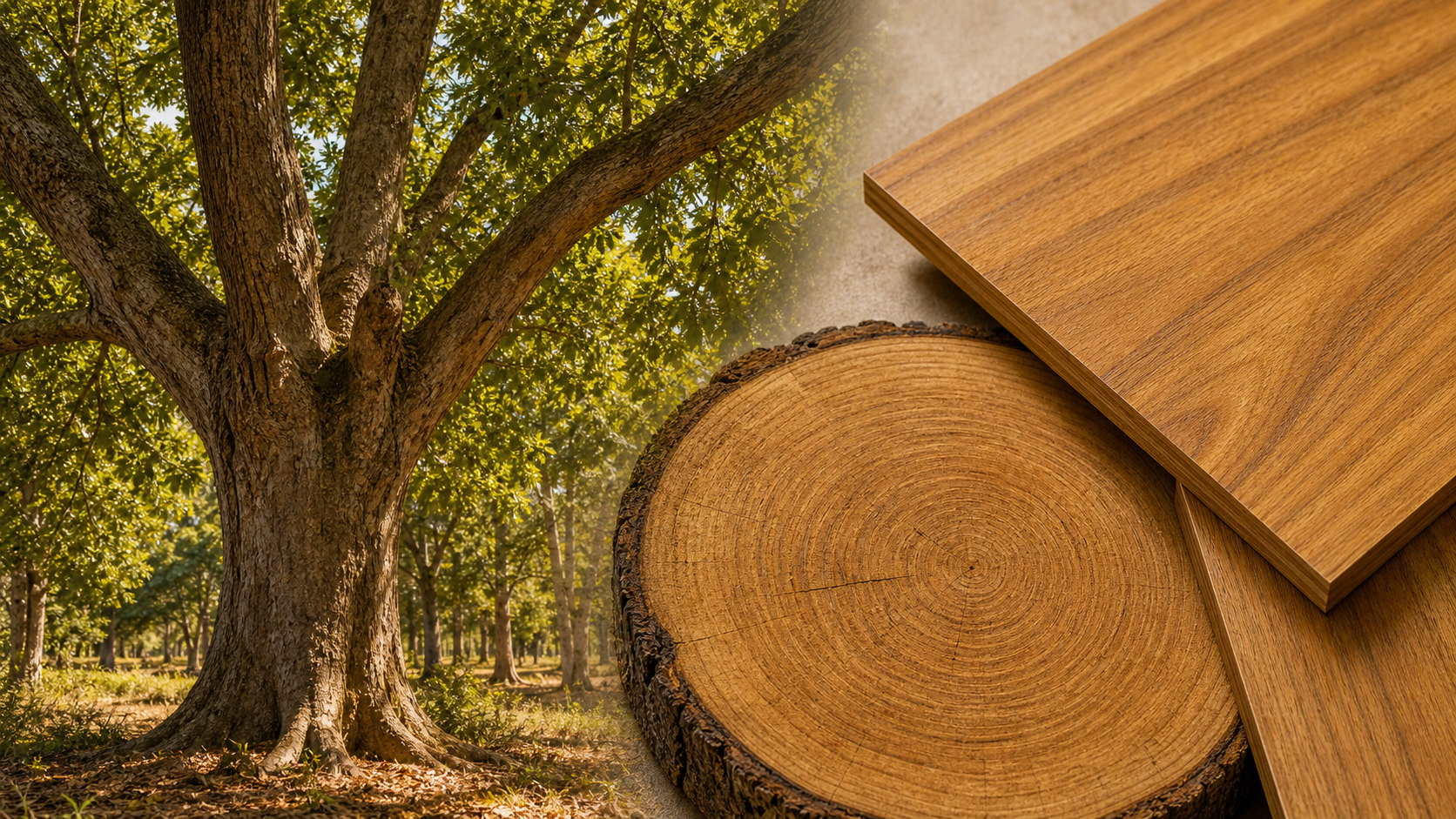
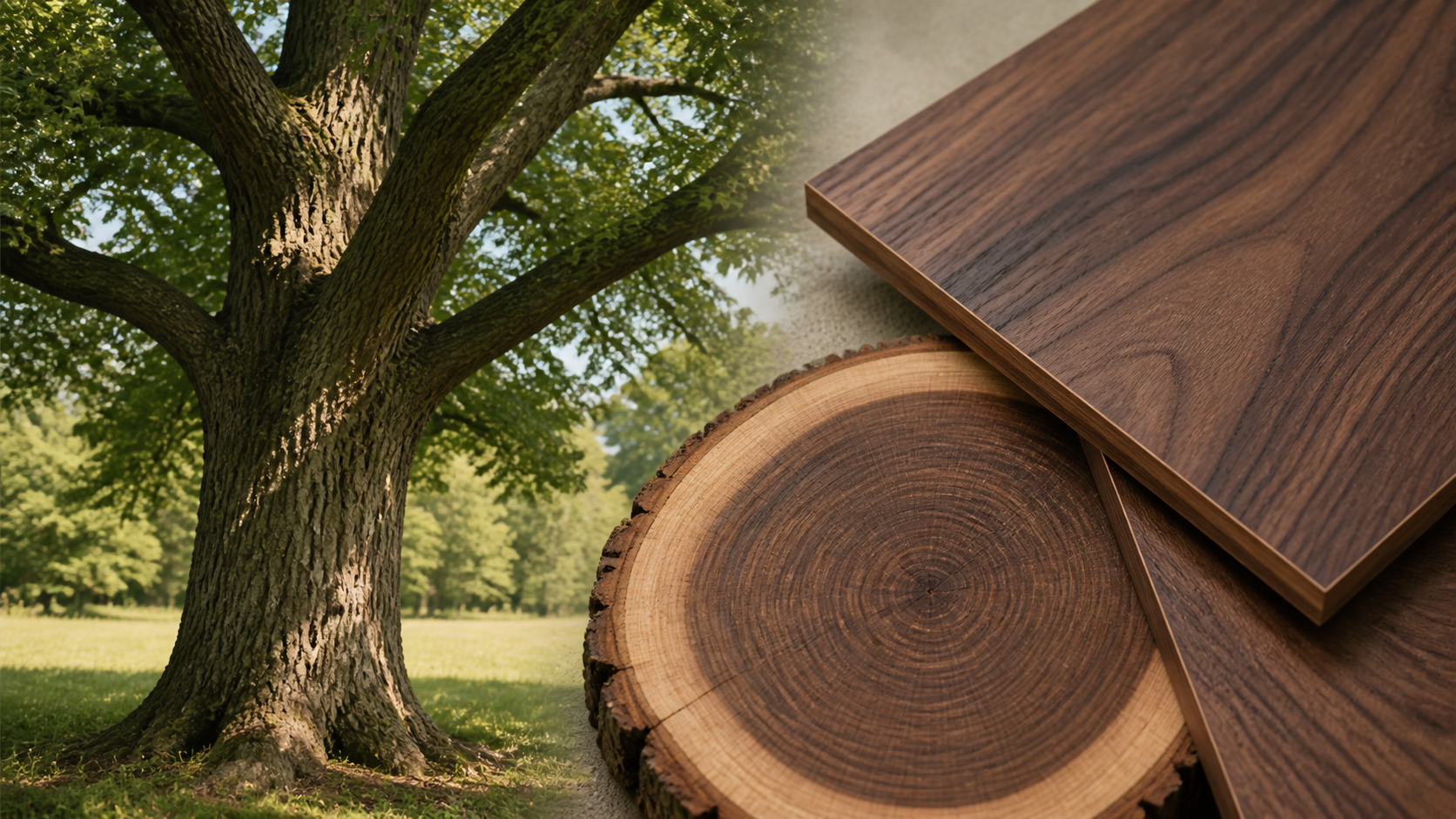
Large-repeat printing is also useful for developing more expressive decorative styles, including natural oak, walnut, elm, teak, antique wood, marble and other surface designs. It can support long flowing veins, gradual color transitions, irregular texture movement and more complex pattern composition, helping decorative paper move closer to the visual language of natural wood veneer, stone and other premium materials.
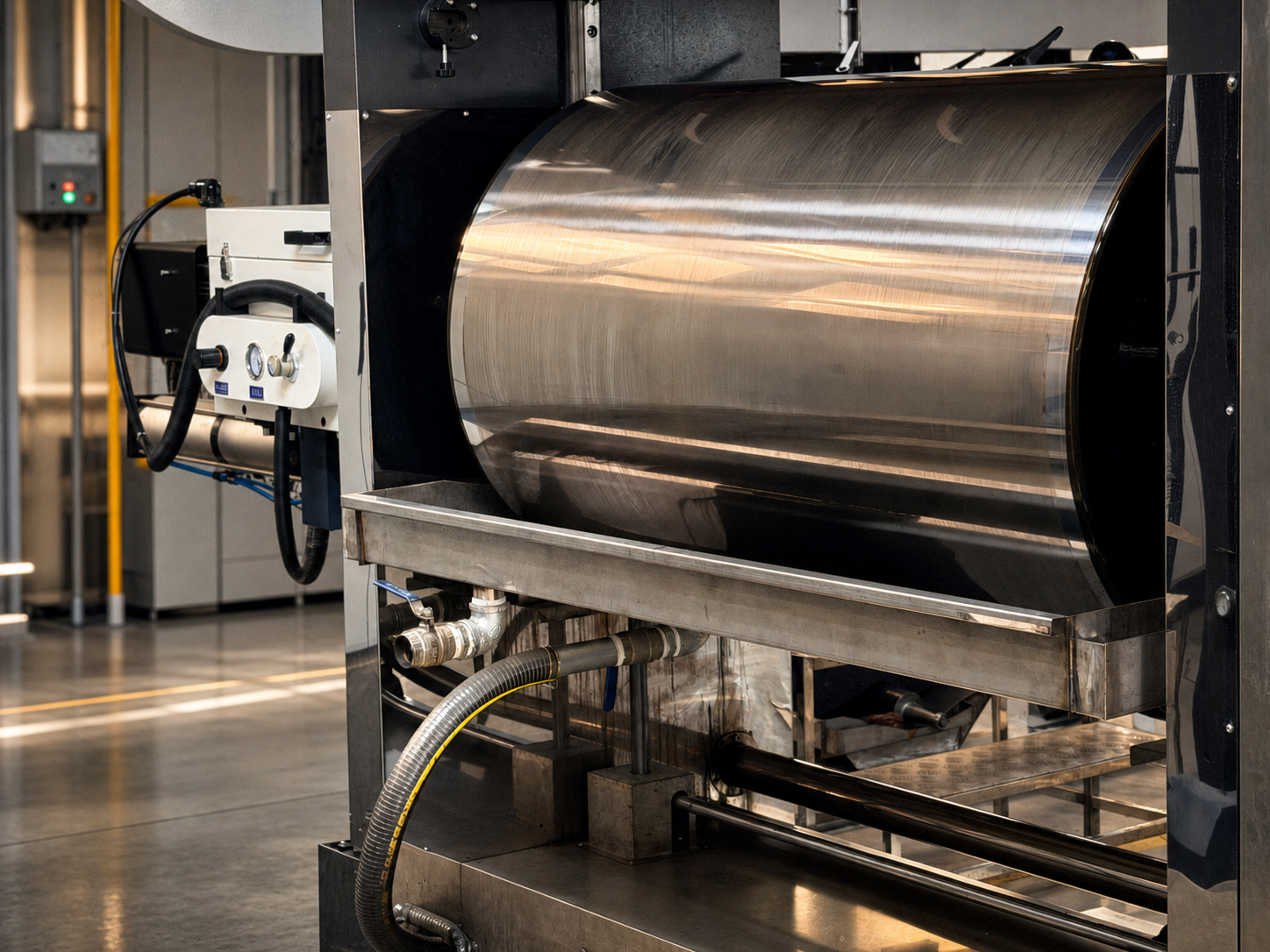
From a production perspective, 2.4m and 3m large-repeat capability is not only about making the pattern longer. It also requires stronger coordination between design development, engraving, color separation, printing control and production stability. The larger the repeat, the more important it becomes to control registration, color consistency, pattern balance and repeat accuracy during printing.
Xiejin Decoration has introduced advanced equipment with 2.4m and 3m large-repeat decorative pattern development and printing capability. This allows us to support more expressive wood grain designs, continuous natural textures and high-end decorative surface applications for flooring, furniture panels, wall panels, cabinetry and interior material markets.
As decorative surface design continues to develop, large-repeat printing will become increasingly important for products that require stronger natural realism, better pattern continuity and higher visual quality. For decorative paper manufacturers, it is not only a production upgrade, but also a design capability that helps connect industrial printing with the changing expectations of modern interior materials.