Laminate Flooring Trends: The Upgrade Toward Better Design, Texture and Value
Laminate flooring is entering a new stage of product renewal. In recent years, SPC flooring and engineered wood flooring have gained strong attention in many markets. SPC is often associated with waterproof performance and dimensional stability, while engineered wood is valued for its natural material identity and premium appearance.
Under this pressure, laminate flooring is not standing still. Instead, the category is upgrading itself toward higher visual quality, stronger surface expression and better value. This change is not only about improving a single product feature. It is also reshaping how decorative paper, printing technology, color development and surface texture are planned.
For laminate flooring, visual realism remains one of the most important competitive factors. Consumers want flooring that looks closer to real wood, while manufacturers need stable production, better plank coordination and lower visible repetition after installation. As a result, large-repeat printing, real-wood-inspired design, EIR synchronized texture and more natural color systems are becoming key development directions.
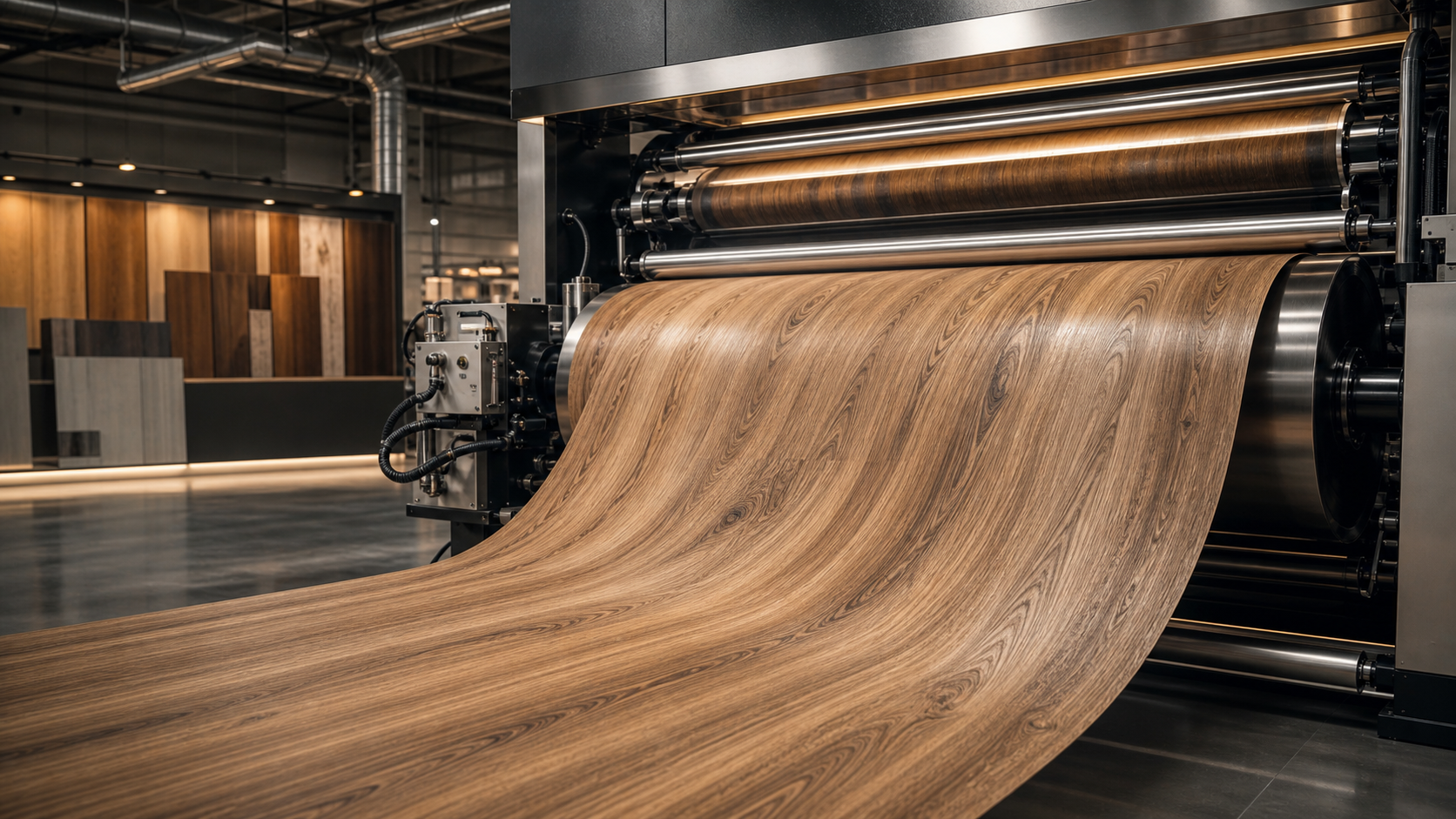
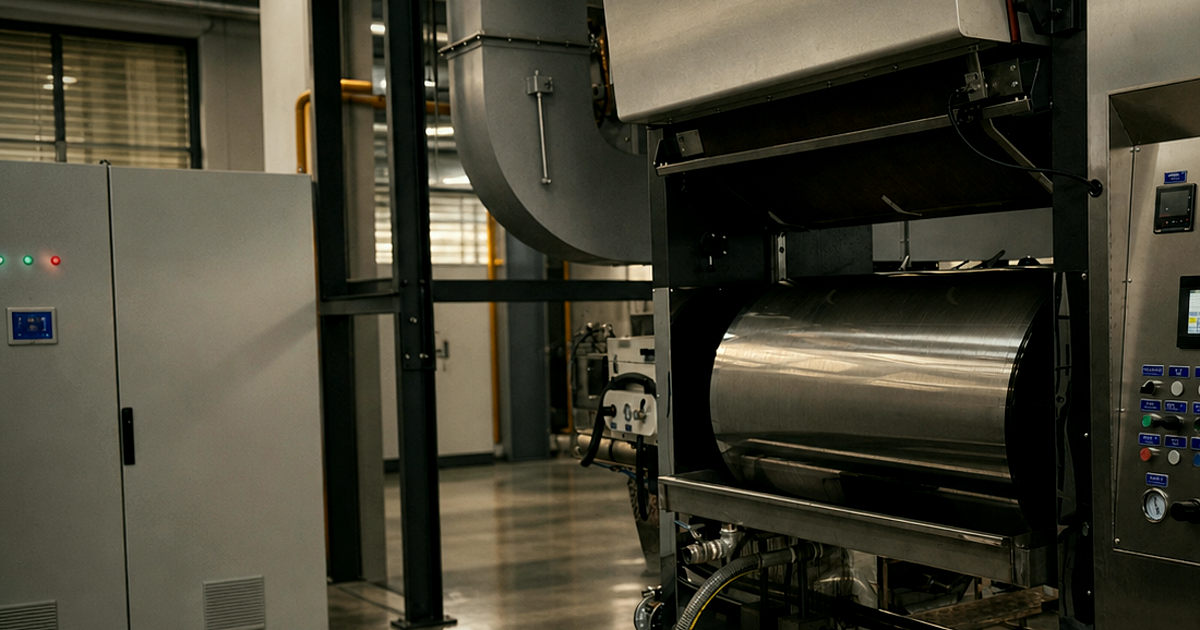
One important trend is the use of larger-diameter printing cylinders and longer pattern repeats. In traditional shorter-repeat designs, the same grain structure may appear too frequently after flooring is cut and installed. This can make the surface look repetitive, especially in larger rooms or open-plan interiors.
By integrating A/B pattern versions into one set of printing cylinders, manufacturers can improve color consistency and reduce the risk of visible differences between versions. A longer and better-planned repeat also gives wood grain designs more space for natural movement, gradual tonal change and plank-to-plank variation. This helps the installed floor appear less mechanical and closer to the rhythm of real wood.
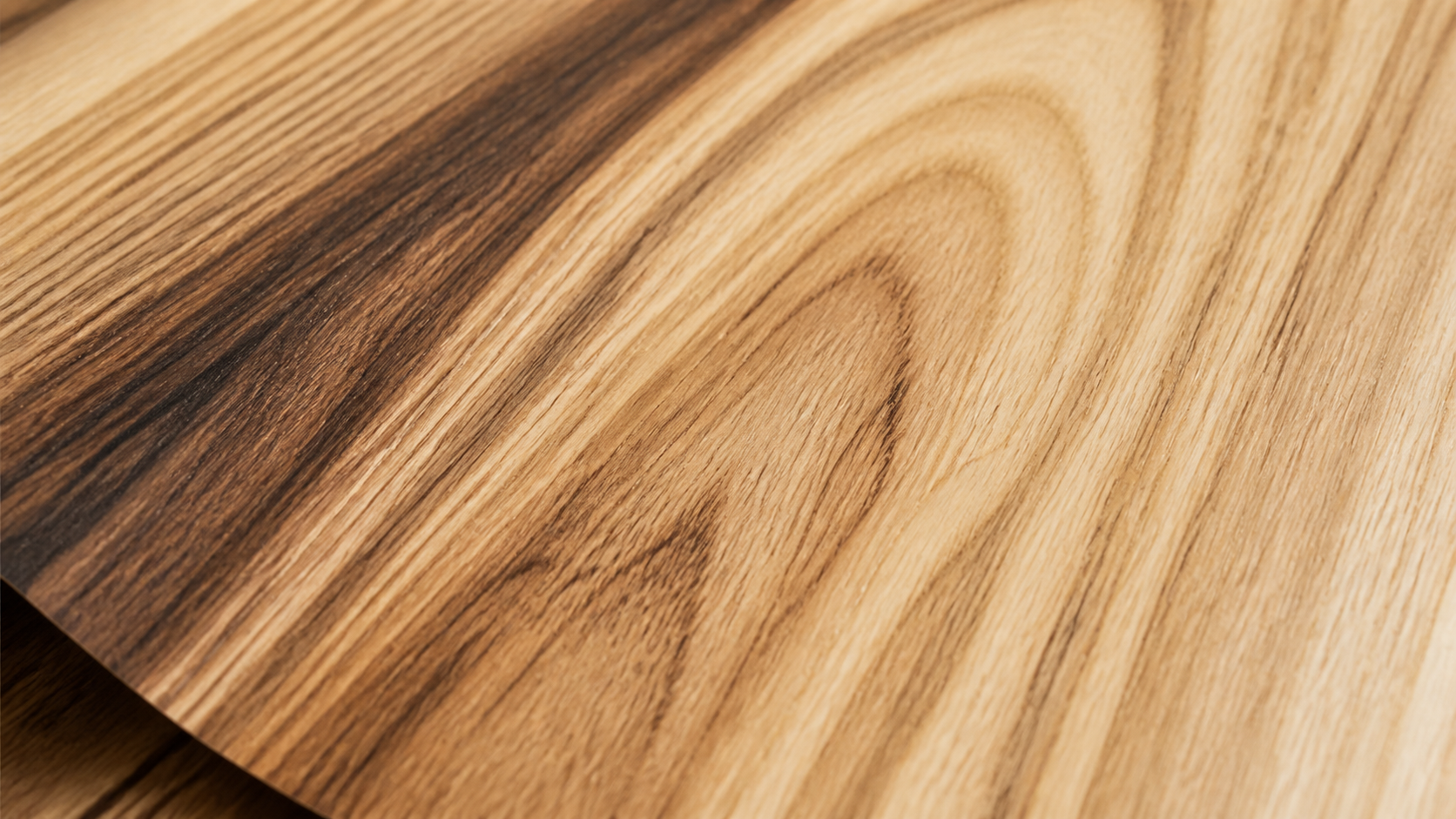
Another major trend is the return to real wood-inspired pattern design. Laminate flooring is no longer only competing through simple wood images or surface colors. Today’s designs need more natural layering, smoother transitions and stronger wood-element expression.
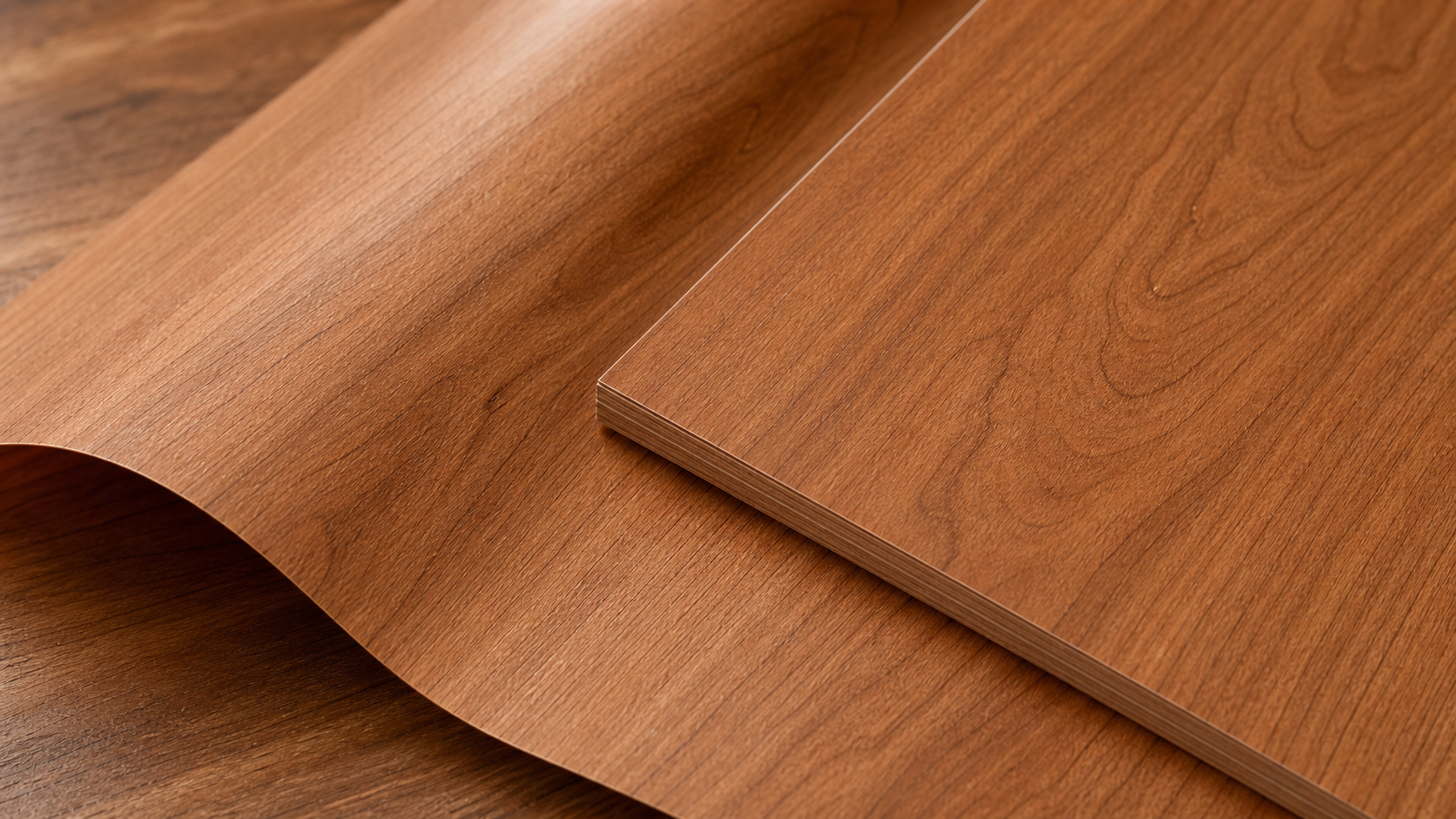
Straight grain, crown grain, mountain grain, knots, ray fleck, mineral streaks and subtle color bands all need to be arranged carefully. The goal is not to make the pattern visually busy, but to make it feel organic. A successful laminate flooring design should allow the grain to develop naturally across the repeat and still look balanced after cutting, matching and installation.
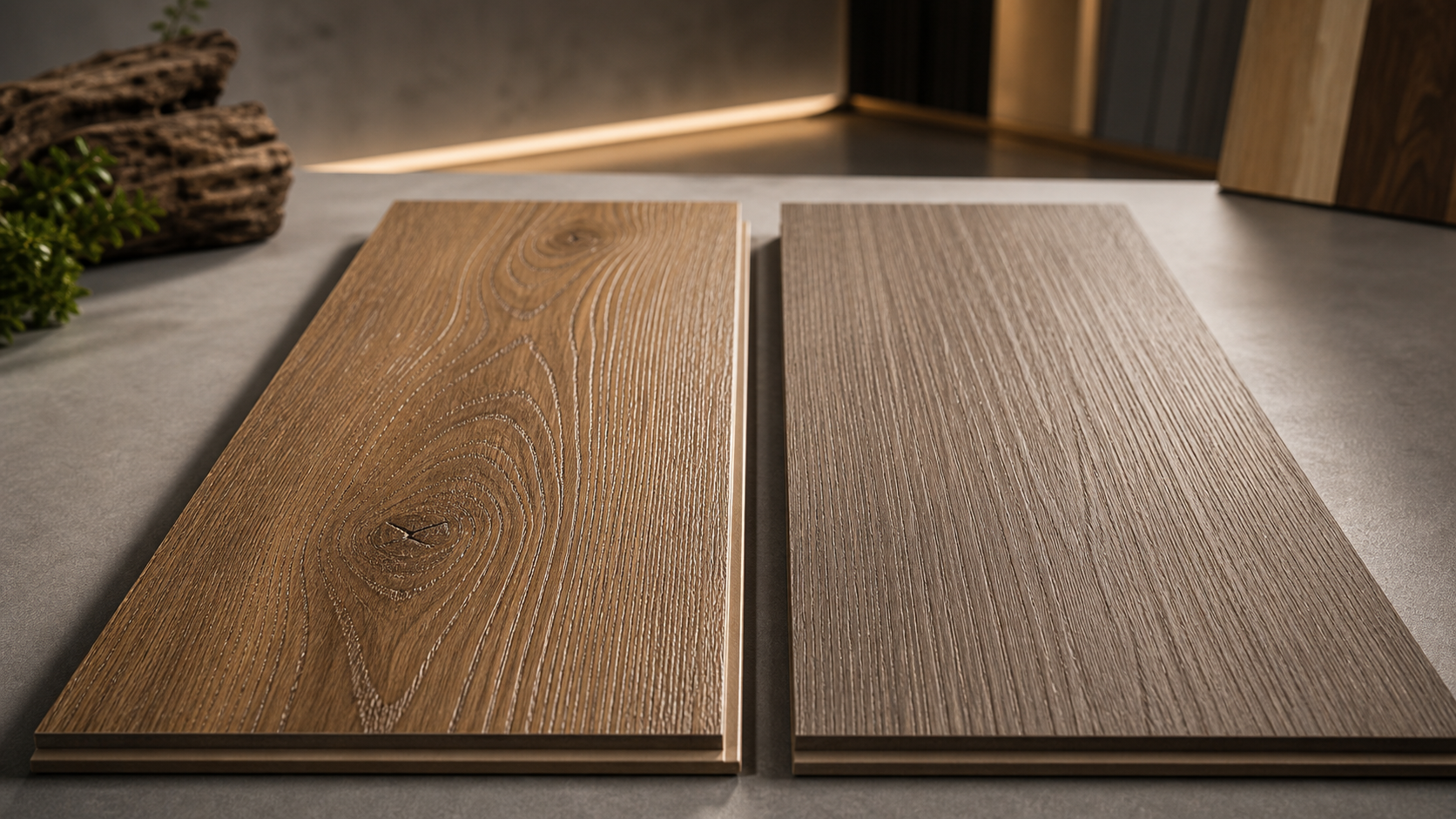
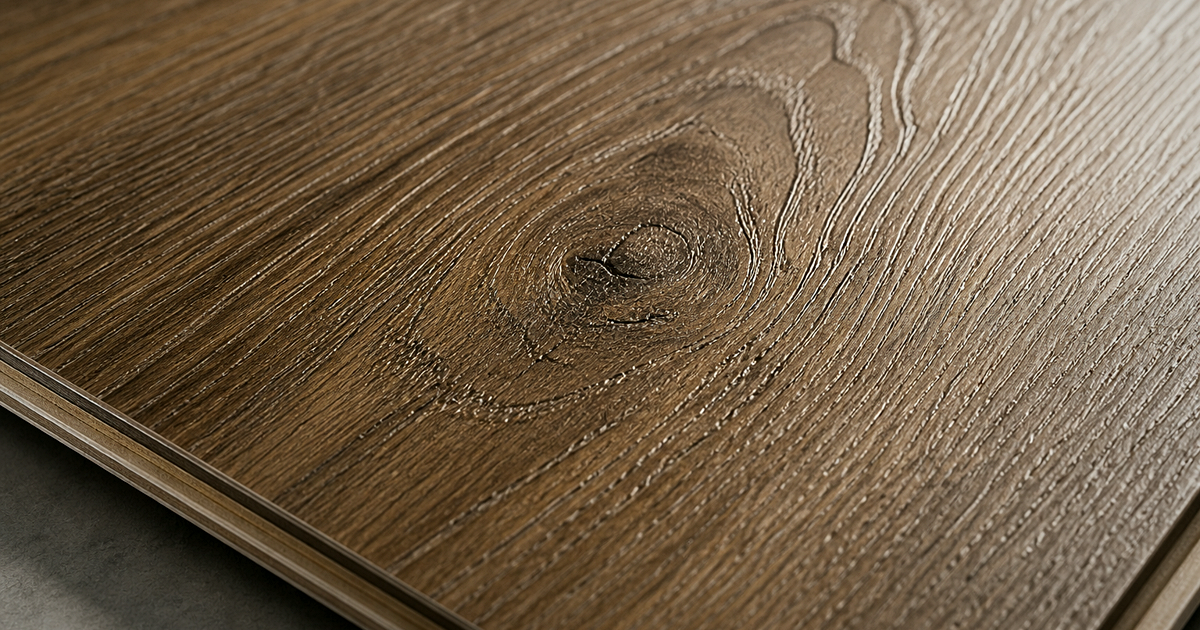
EIR synchronized texture is also becoming more important for premium laminate flooring. As the market asks for stronger real wood feeling, printed grain and surface texture need to work together. EIR embossing can align the tactile texture with the printed pattern, improving both visual depth and hand-feel quality.
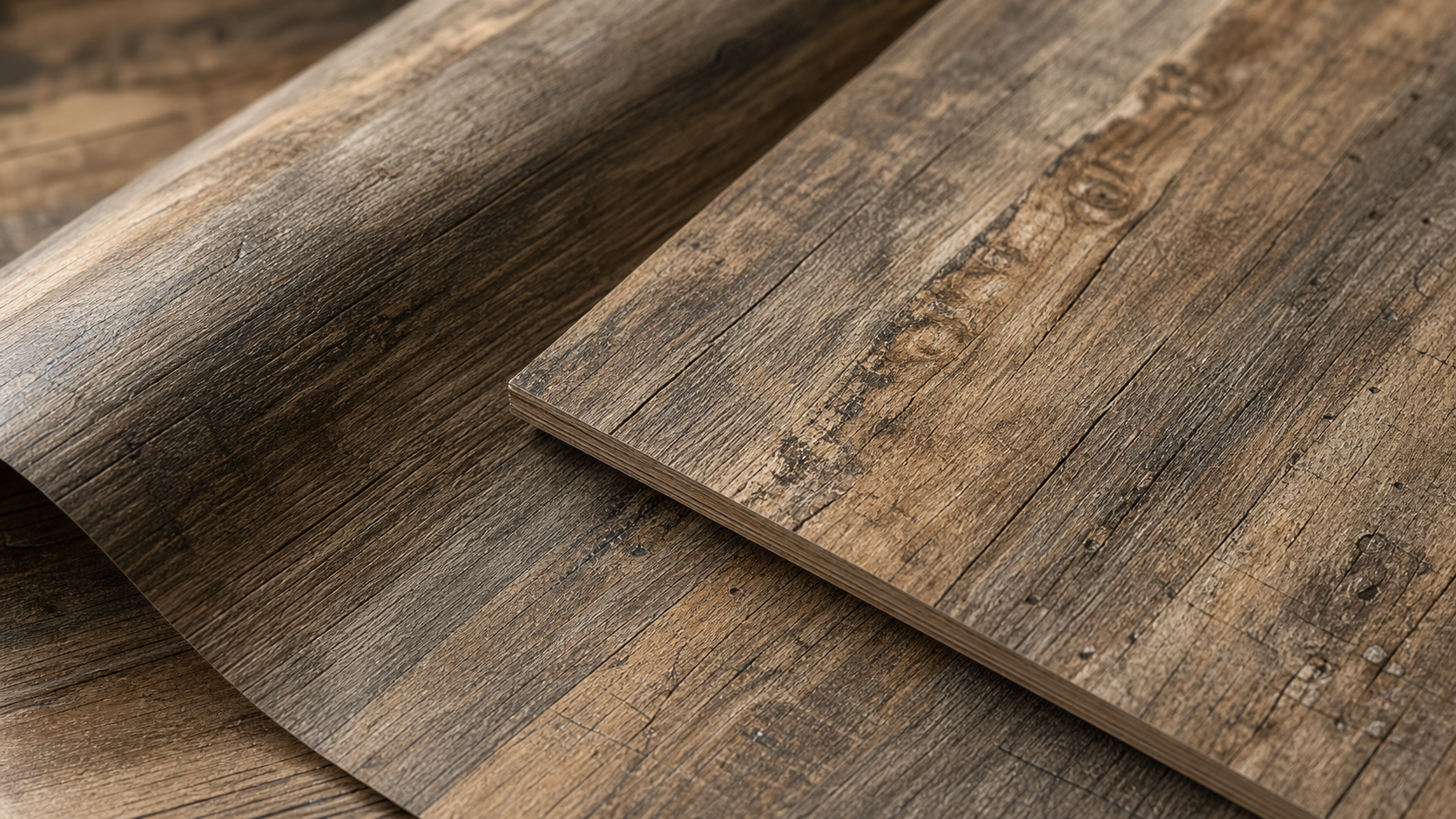
The development of synchronized steel plates is becoming more refined. Surface textures are moving from simple linear embossing toward richer layered structures. Cathedral grain, wood pores, fine cracks, saw marks, knots and subtle raised or recessed details are being handled with more precision. Deeper texture and stronger tactile contrast can help laminate flooring feel more dimensional and closer to natural wood.
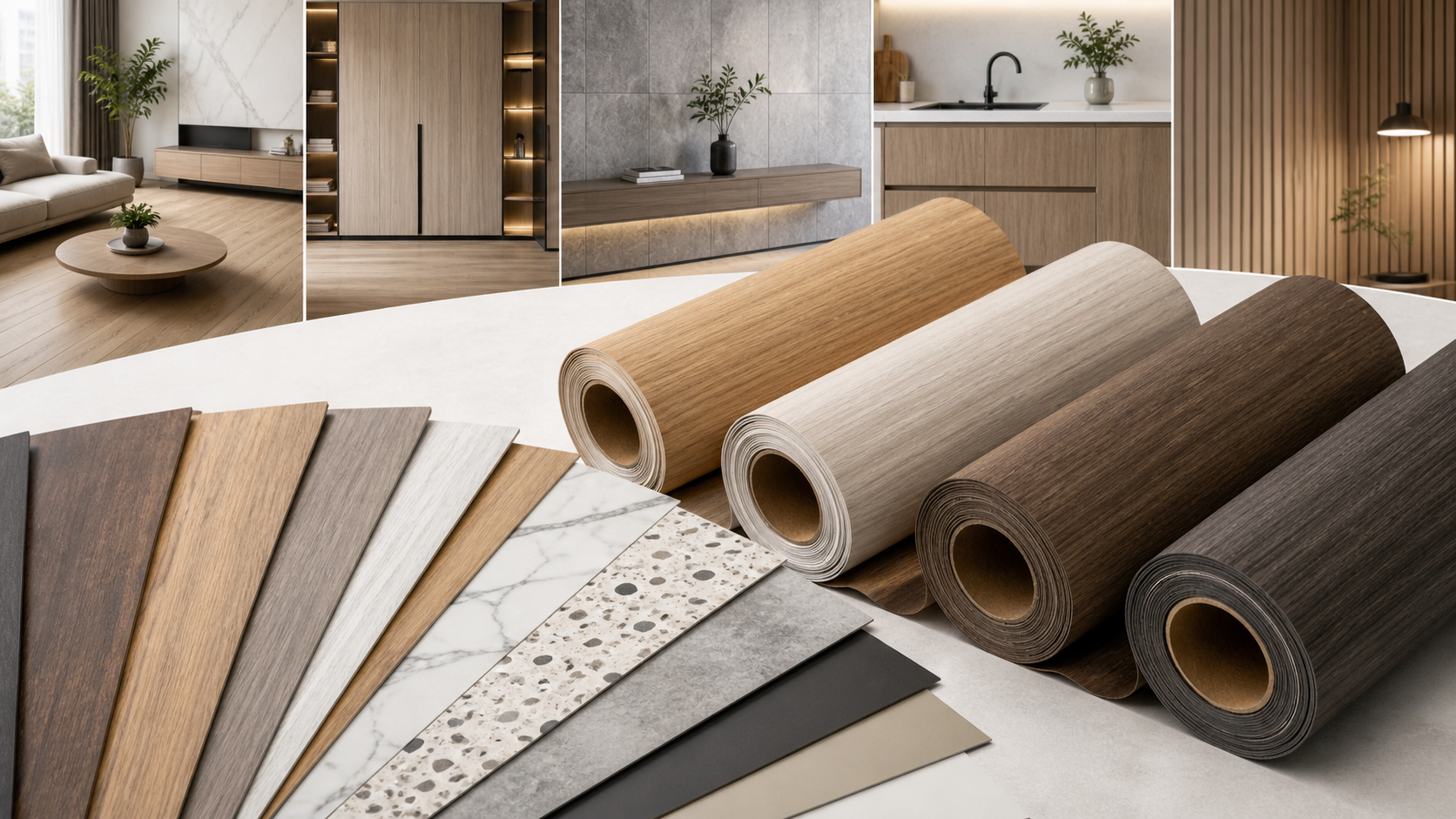
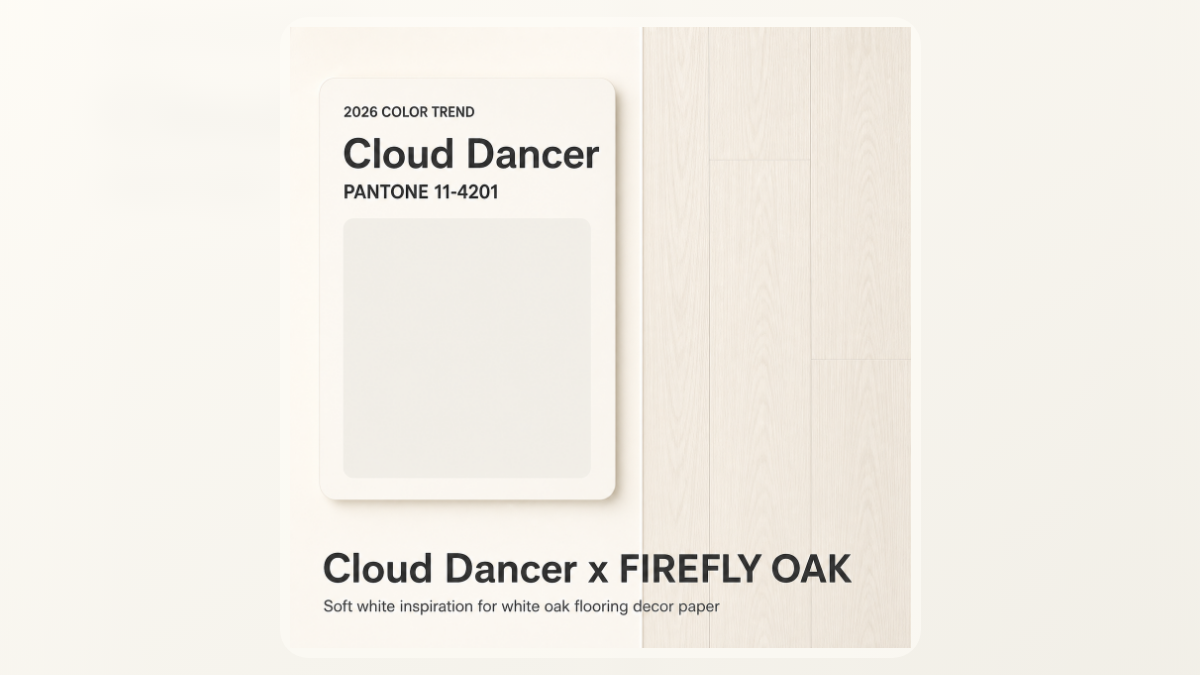
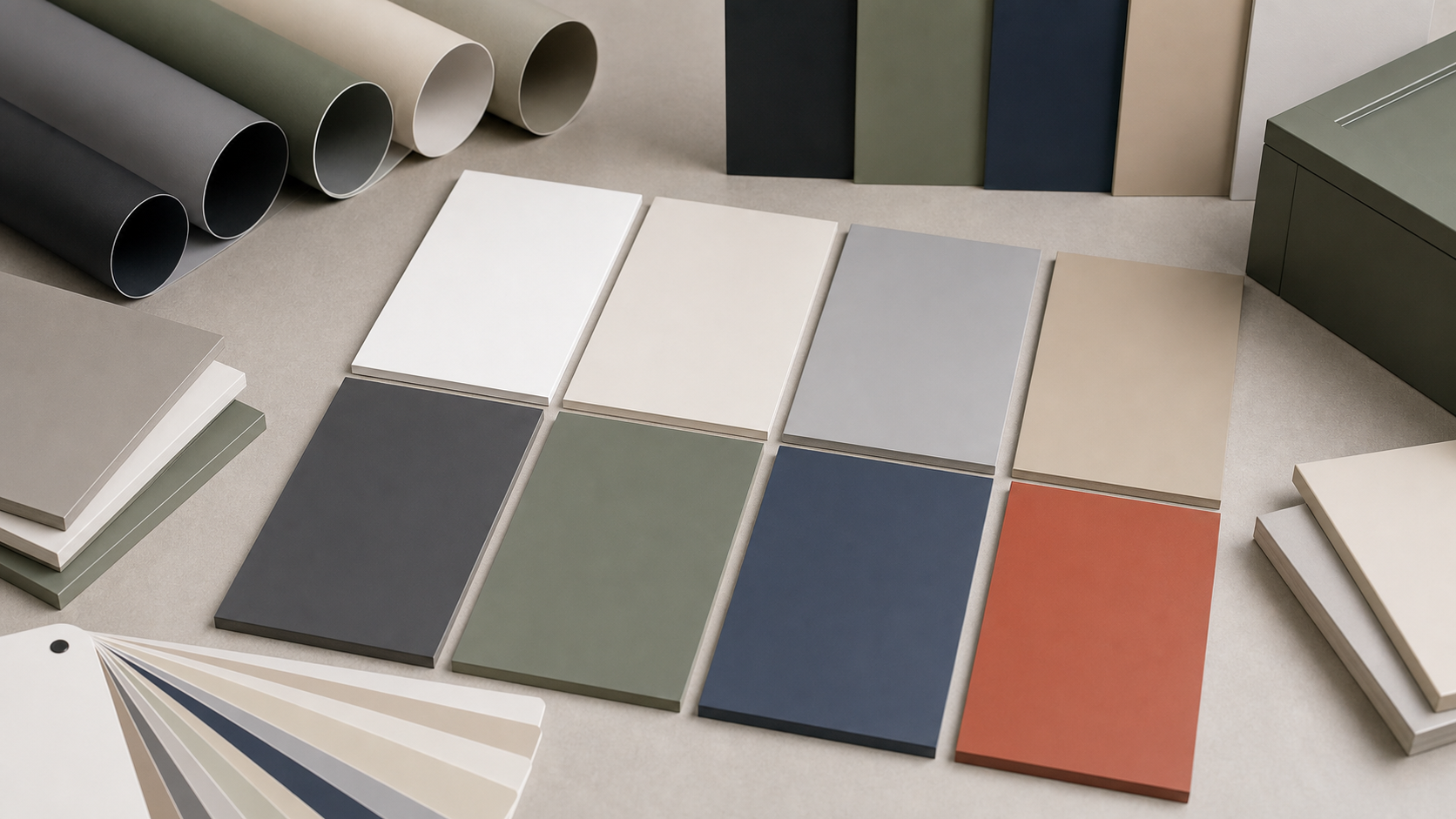
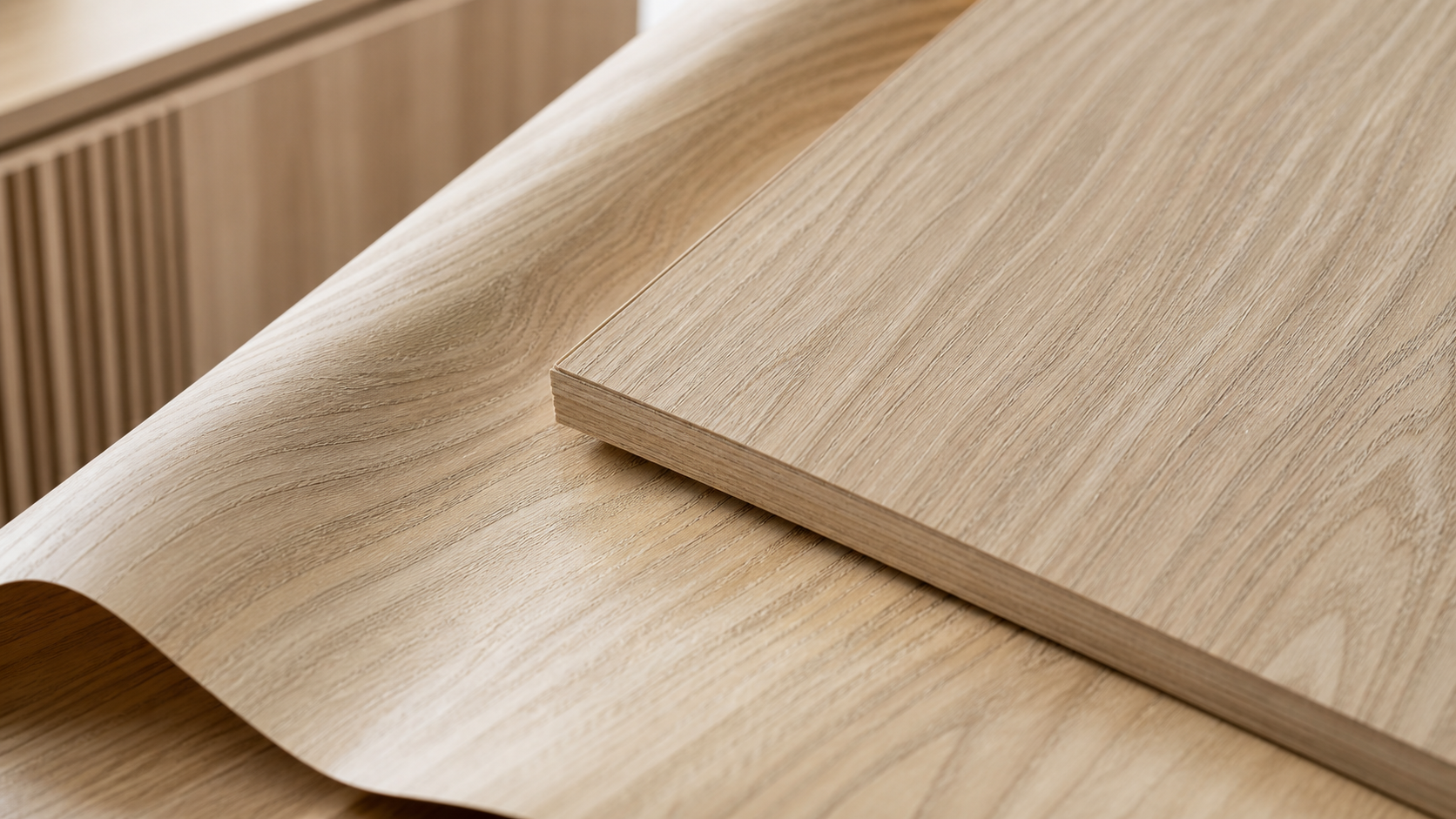
Color trends are also shifting. In many markets, overly saturated gray, yellow or red tones are becoming less dominant. Instead, low-saturation natural oak, warm beige, soft brown, coffee tones, smoked wood and calm neutral wood colors are gaining more attention.
This reflects a broader return to the essence of wood. Natural wood colors are easier to use in contemporary interiors and can match a wider range of furniture, wall panels, cabinetry and decorative materials. The overall direction is calmer, more natural and more timeless.
Together, these trends show that laminate flooring still has strong room for evolution. Its future competitiveness will not depend on one single feature. It will come from the combined upgrade of printing repeat, wood grain design, color control and synchronized texture development.
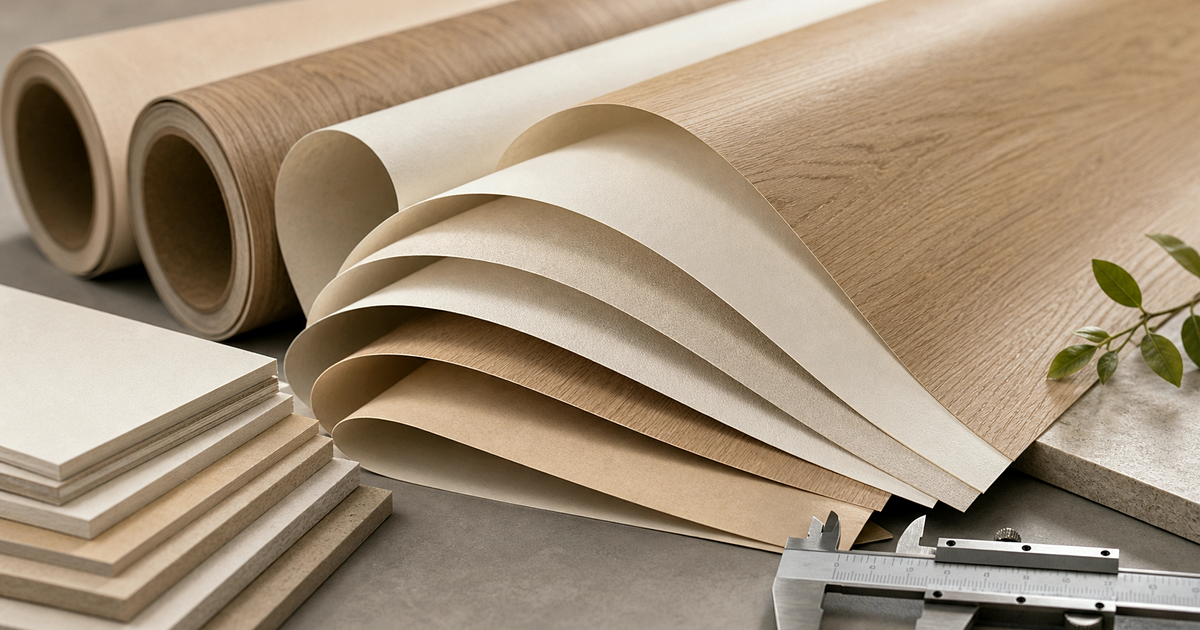
As laminate flooring continues to upgrade, decorative paper will play an increasingly important role in connecting surface design, printing stability and final product value. Large-repeat printing, real-wood-inspired pattern development, natural color control and EIR coordination are becoming key capabilities behind the next generation of laminate flooring.
Xiejin Decoration will continue to support customers with decorative paper solutions that help laminate flooring designs look more natural, feel more refined and better meet the expectations of today’s flooring market.